
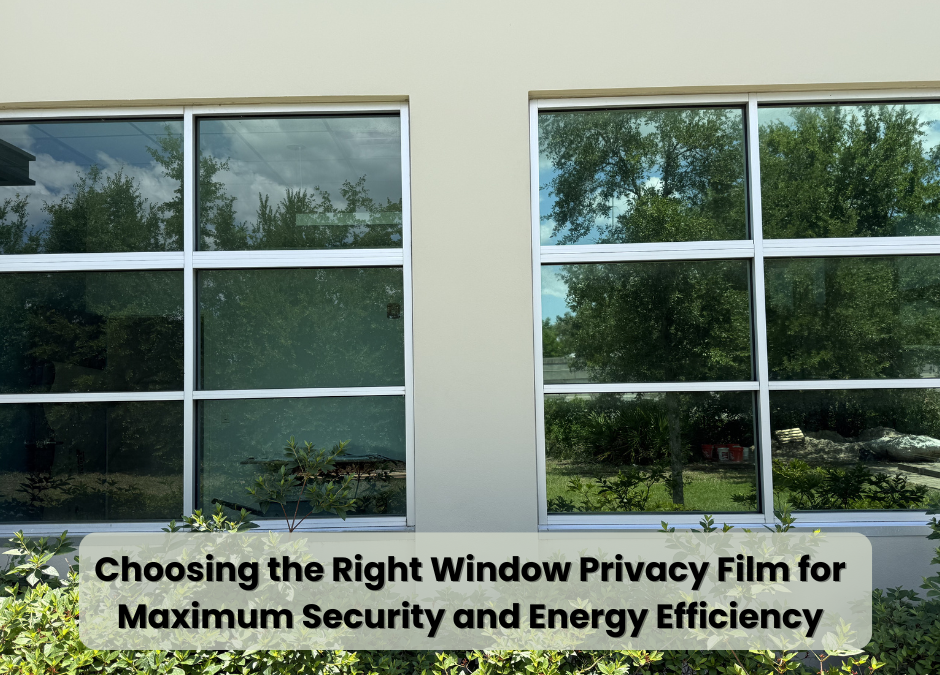
Safety, privacy, and energy efficiency are essential considerations for any home or office. Window privacy film offers a practical solution that addresses all three. The right film not only ensures your interiors remain private but also provides protection against accidents, break-ins, and harmful sun exposure.
With a variety of options available, choosing the most suitable type can feel overwhelming. This blog will explain what privacy window film is, explore its benefits, outline key factors to consider, and share tips for proper installation and maintenance.
What Is a Privacy Window Film?
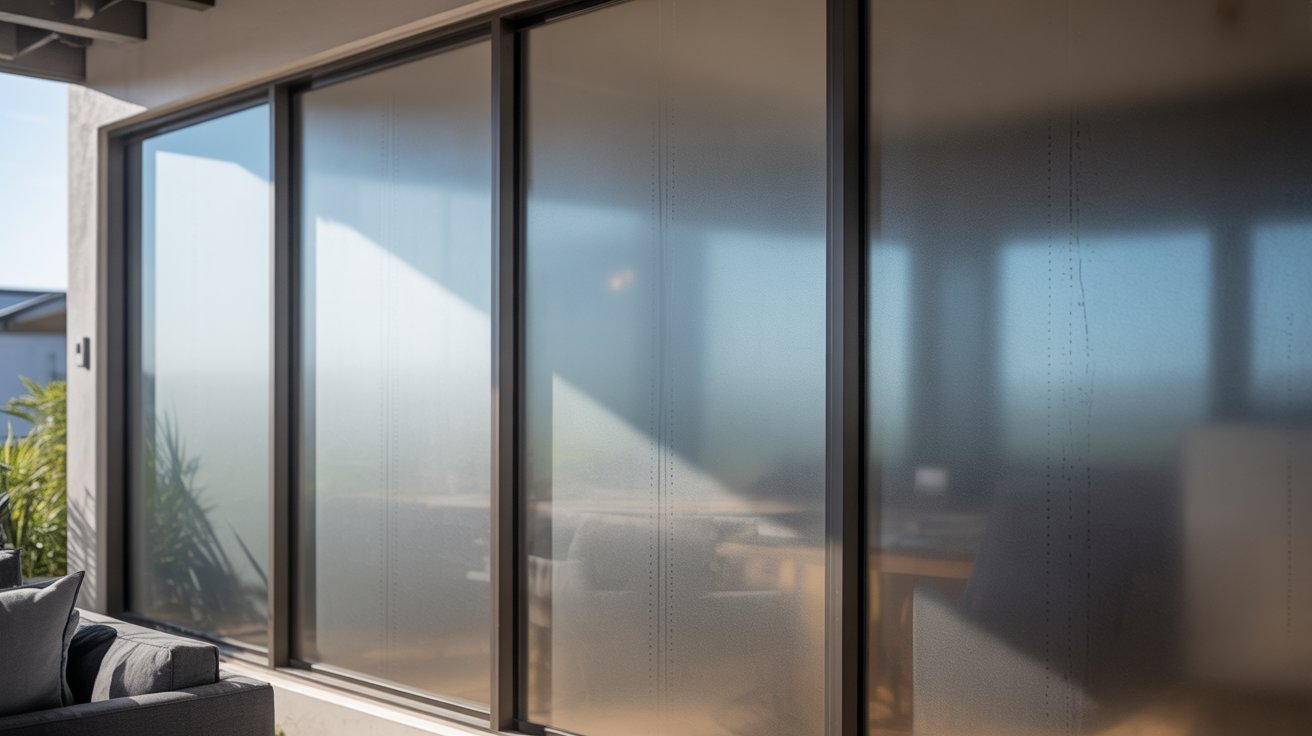
UV window film is a thin, durable layer applied directly to glass surfaces. Unlike standard window tinting that primarily reduces glare, privacy film offers multiple advantages: it enhances security, improves energy efficiency, blocks harmful UV rays, and allows you to control visibility from the outside.
Films come in various styles, from frosted or decorative patterns to high-strength security options, allowing you to combine privacy, aesthetics, and protection in one solution.
Benefits of Privacy Window Film
1. Security & Safety
One of the main reasons homeowners and businesses invest in window privacy film is safety. High-quality security films hold glass together if it shatters, reducing the risk of injury from flying shards. In addition, thicker films act as a deterrent against break-ins, making windows more difficult to penetrate and providing peace of mind for you and your family.
2. Energy Efficiency
Privacy films can also help control indoor temperatures. By reflecting and absorbing heat from sunlight, they reduce the load on air conditioning in summer and help retain warmth during winter. This not only creates a more comfortable living or working environment but can also result in significant energy savings over time.
3. UV Protection
Prolonged exposure to the sun can damage furniture, flooring, and interior finishes. Many house window tint blocks up to 99% of harmful UV rays, protecting your valuables while also reducing the risk of skin damage indoors.
4. Enhanced Privacy
Privacy films allow you to enjoy natural light while limiting the view into your home or office. Options like frosted or patterned films ensure confidentiality during meetings or personal time at home without sacrificing daylight.
Key Factors to Consider When Choosing a Window Privacy Film
1. Film Thickness & Strength
Thicker films provide stronger protection against breakage and intrusion. Security-focused window privacy films are usually measured in microns, and a higher thickness means a sturdier barrier for your windows.
2. UV & Heat Reduction
Look for films that block a high percentage of UV rays and reduce heat transfer. This ensures both energy savings and protection of your interiors from sun damage.
3. Transparency & Light Transmission
The right balance between privacy and light is crucial. Some films offer total opacity for maximum privacy, while others allow partial visibility to maintain natural brightness inside.
4. Aesthetic & Decorative Options
Privacy 3m window tint films come in various patterns and textures, such as frosted, etched, or geometric designs. Choosing a decorative option can enhance the look of your space while providing functionality.
5. Warranty & Brand Reliability
Reputable brands like 3M often provide warranties and consistent performance. Investing in trusted products ensures longevity, effectiveness, and peace of mind.
Installation Tips and Maintenance
1. Professional vs. DIY Installation
Professional installation guarantees smooth, bubble-free results, especially for large or complex windows. DIY kits are available, but improper application can reduce the effectiveness and lifespan of the UV window film.
2. Preparing Windows Before Application
Clean the glass thoroughly to remove dust, grease, and residue. Any debris left behind can cause bubbles or poor adhesion, reducing the film’s performance.
3. Avoiding Air Bubbles During Installation
Spraying a soapy water solution during installation helps prevent air pockets. Carefully smoothing the window privacy film from top to bottom ensures a flawless finish.
4. Using the Right Tools for a Smooth Finish
A squeegee, utility knife, and microfiber cloth are essential tools. Using them correctly ensures even application and prevents scratches or folds in the film.
5. Cleaning and Maintenance Tips
Use mild soap and water with a soft cloth to clean the film. Avoid abrasive cleaners or sharp tools that could damage the surface.
6. Preventing Scratches and Prolonging Film Life
Avoid sticking labels or stickers on the film, and be gentle when moving furniture near treated windows. Proper care and professional window tinting services can extend the life of your privacy film for 10–15 years or more.
Conclusion
Selecting the right privacy window film is an investment in safety, comfort, and efficiency. The ideal film balances security, UV protection, energy savings, and privacy while complementing the aesthetics of your space. By understanding your options and considering factors like thickness, transparency, and brand reliability, you can make an informed decision that protects your home or office for years to come.
Let All Spec Sun Control help you choose and install the perfect window privacy film for your home or office. Contact us today!
FAQ’s
1. How much does it cost to install a privacy window film?
Costs vary based on film type, window size, and installation method. Security and decorative films tend to be higher priced than basic films, but they offer greater benefits and durability.
2. Can window privacy film be removed easily?
Yes, most films can be removed without damaging the glass. Professional removal is recommended for large or thick security films to avoid adhesive residue or scratching.
3. Does privacy window film affect visibility from the inside?
High-quality privacy films are designed to maintain clear interior visibility while limiting the view from outside. Some patterns may slightly reduce clarity but still allow natural light.
4. Will privacy window film work on all types of glass?
Yes, films can be applied to most glass surfaces, including tempered, laminated, and standard windows. Certain specialty films may require professional installation for optimal adhesion.