
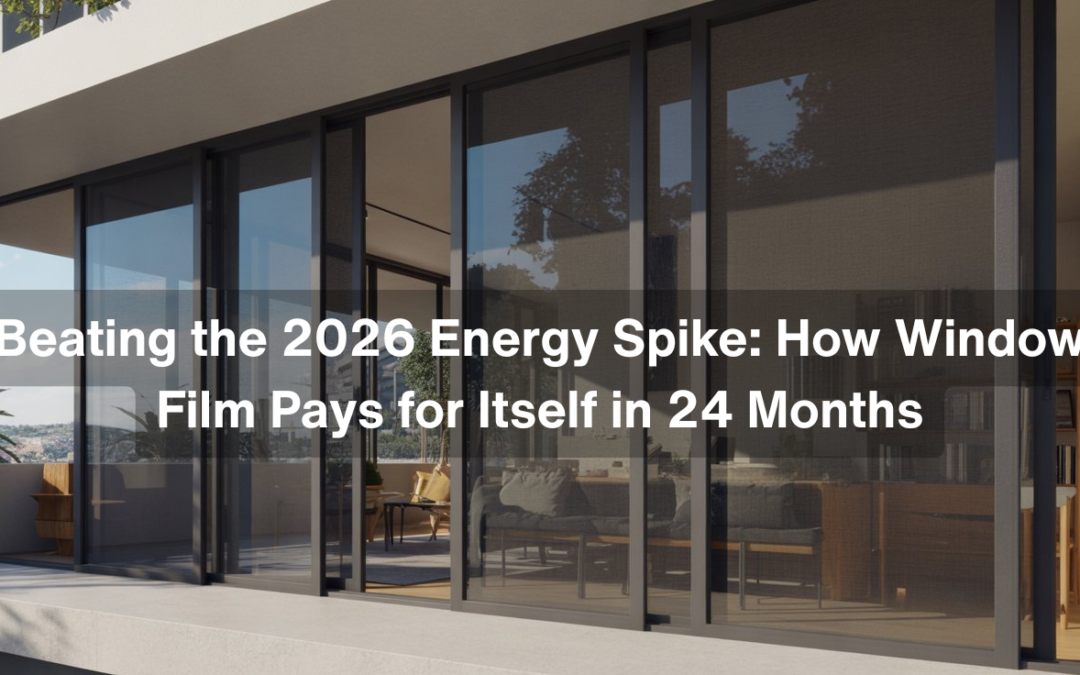
Energy costs will rise sharply in 2026, and many homeowners and business owners will feel the impact most during the warmer months. Higher electricity demand, longer cooling seasons, and rising utility rates are creating a perfect storm for expensive bills.
While many people look toward major upgrades or system replacements, there is a quieter, far more efficient solution that often goes overlooked. Energy saving window film offers a practical way to control heat, reduce energy waste, and protect interior spaces, without the disruption or cost of major renovations.
The Hidden Cost of Sunlight Through Your Windows
Sunlight can make interiors feel open and inviting, yet it often carries costs that aren’t immediately visible. Over time, untreated windows allow heat and UV rays to quietly impact comfort, energy use, and interior quality.
- Increased Indoor Heat: Standard windows let in excessive solar heat, causing rooms to warm up faster and stay hotter for longer periods.
- Higher Energy Bills: As indoor temperatures rise, air conditioning systems are forced to work harder, leading to increased electricity consumption.
- Strain on HVAC Systems: Continuous overuse of cooling systems can result in faster wear and more frequent maintenance needs.
- Fading of Interiors: Prolonged UV exposure can fade furniture, carpets, curtains, and artwork, reducing their lifespan.
- Damage to Flooring and Finishes: Sunlight can discolor wooden floors, weaken finishes, and affect overall interior appearance over time.
What Is Energy Saving Window Film and How Does It Work?
Window film for savings is a thin, durable layer applied directly to glass surfaces. It is designed to reflect solar heat while still allowing natural light to enter the space. Advanced window films can block up to 99% of harmful UV rays and significantly reduce solar heat gain.
Unlike curtains or blinds, window film works continuously, even when the sun is at its strongest. Once installed, it becomes a seamless part of the window, offering protection and efficiency without altering the view.
How Energy Saving Window Film Reduces Bills
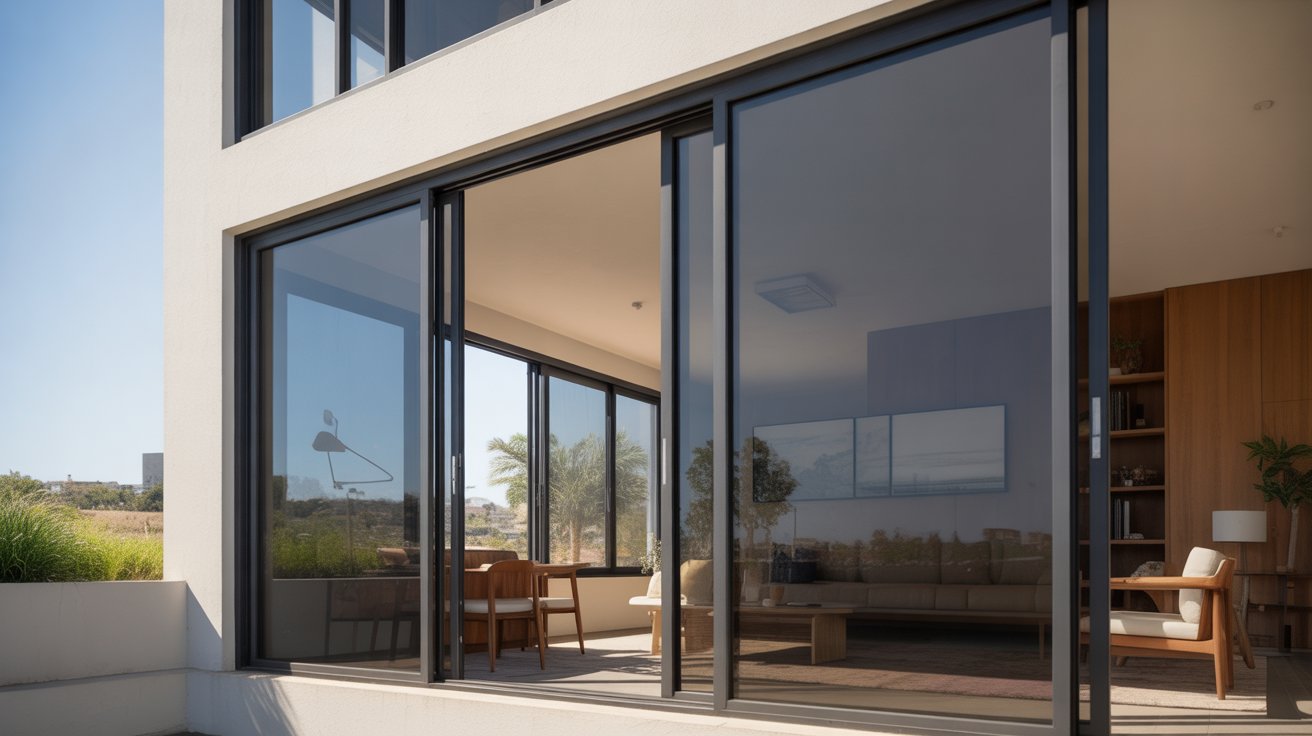
One of the most noticeable benefits of energy saving window film is its impact on indoor temperature control. By limiting the amount of heat entering through the glass, rooms stay cooler for longer periods.
This reduces the need for constant air conditioning use, especially during peak daylight hours. As cooling systems cycle less frequently, consumption drops, resulting in lower monthly utility bills. Over time, these savings add up, often allowing the cost of window film installation to be recovered within 24 months.
Residential vs. Commercial Savings: Who Benefits Most?
Both residential and commercial properties experience strong returns from window tinting services, though the benefits show up in different ways. Homeowners often notice immediate improvements in comfort, reduced glare, and more balanced indoor temperatures.
Businesses, on the other hand, tend to see larger long-term savings due to extended operating hours and higher cooling demands. Offices with large glass façades, storefronts, and commercial buildings exposed to direct sunlight benefit significantly from reduced loads and improved employee comfort.
Why Window Film Is a Smarter Choice Than Major Renovations
Major renovations often promise long-term benefits, but they also come with high costs and unavoidable disruption. Window film provides a simpler, more efficient way to improve comfort and energy performance without altering the structure of your space.
- Lower Upfront Investment: Energy saving window film costs significantly less than replacing windows or upgrading HVAC systems.
- Quick and Non-Disruptive Installation: Installation is fast and does not interfere with daily routines or business operations.
- No Structural Changes Required: The existing windows remain intact, avoiding construction mess or downtime.
- Immediate Performance Benefits: Once installed, Window film for energy savings starts reducing heat and glare right away.
- Minimal Maintenance Needs: Window film requires little upkeep while continuing to deliver long-term savings.
Choosing the Right Window Film for Your Space
Not all window films are the same, which is why selecting the right option for home window tinting matters. Factors such as sun exposure, window orientation, building type, and privacy needs all play a role in choosing the most effective film.
Professional guidance ensures the film performs as expected and complements the property’s design. High-quality films also come with warranties, providing peace of mind and long-term reliability. Proper installation is key to achieving consistent results and maximum energy savings.
Conclusion
As energy costs rise in 2026, taking action now can make a real difference. Energy saving window film offers a simple way to control heat, lower energy bills, and protect interior spaces. It pays for itself in a short time. Whether for homes or commercial properties, it delivers comfort, efficiency, and long-term value without major disruption.
If you’re looking to stay ahead of rising energy costs, All Spec Sun Control provides professional window tinting solutions tailored to your needs. Schedule a consultation today!
FAQ’s
1. How long does energy saving window film last once installed?
High-quality window films are designed to last for many years. With professional installation and proper care, they can maintain performance and appearance for decades.
2. Will window film make my rooms too dark?
No. Modern window films are designed to reduce heat and glare while still allowing plenty of natural light to enter, keeping spaces bright and comfortable.
3. Can window film really reduce energy bills?
Yes. By lowering heat gain through windows, window film reduces the workload on air conditioning systems, leading to noticeable energy savings over time.
4. Is window film suitable for both homes and offices?
Absolutely. Window film works effectively in residential and commercial spaces, offering tailored benefits depending on the building’s use and exposure.
5. Does window film require special maintenance?
Window film is low maintenance. Regular window cleaning with non-abrasive products is usually all that’s needed to keep it in good condition.