
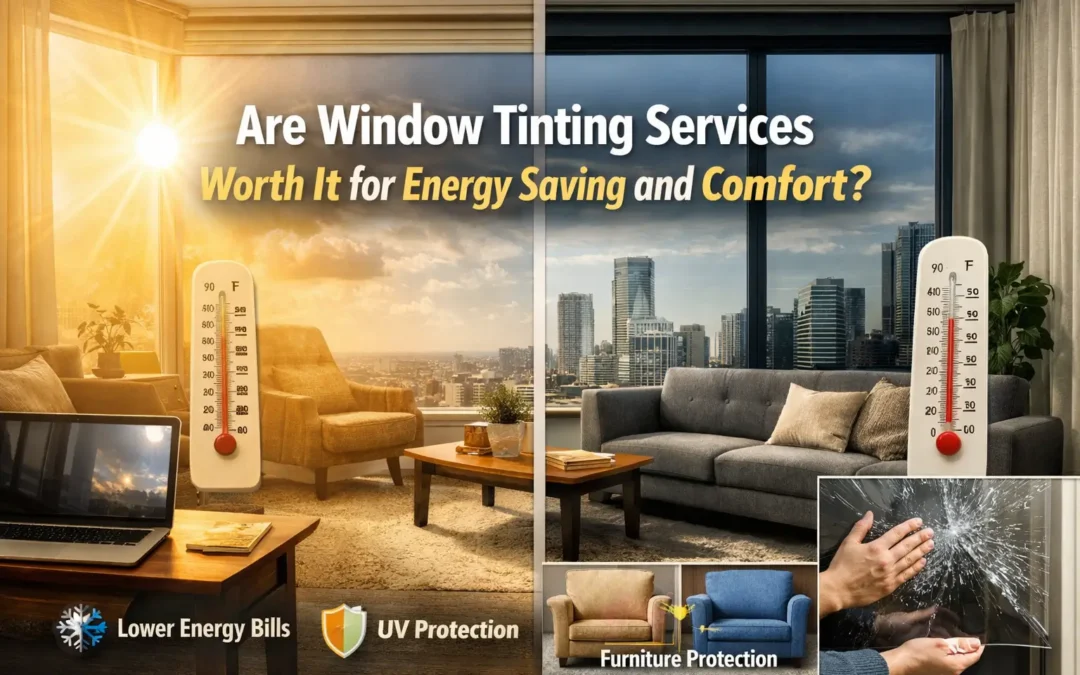
Sunlight can brighten a space, but too much of it often creates more problems than comfort. Many homes and offices deal with rising indoor heat, constant glare on screens, and increasing energy bills. Over time, furniture, flooring, and décor may also begin to fade due to continuous exposure to sunlight.
This is where window tinting services come into the picture. They offer a simple yet effective way to manage heat, improve comfort, and protect interiors. But the real question remains, are they truly worth the investment? Let’s explore.
How Window Tinting Improves Energy Efficiency
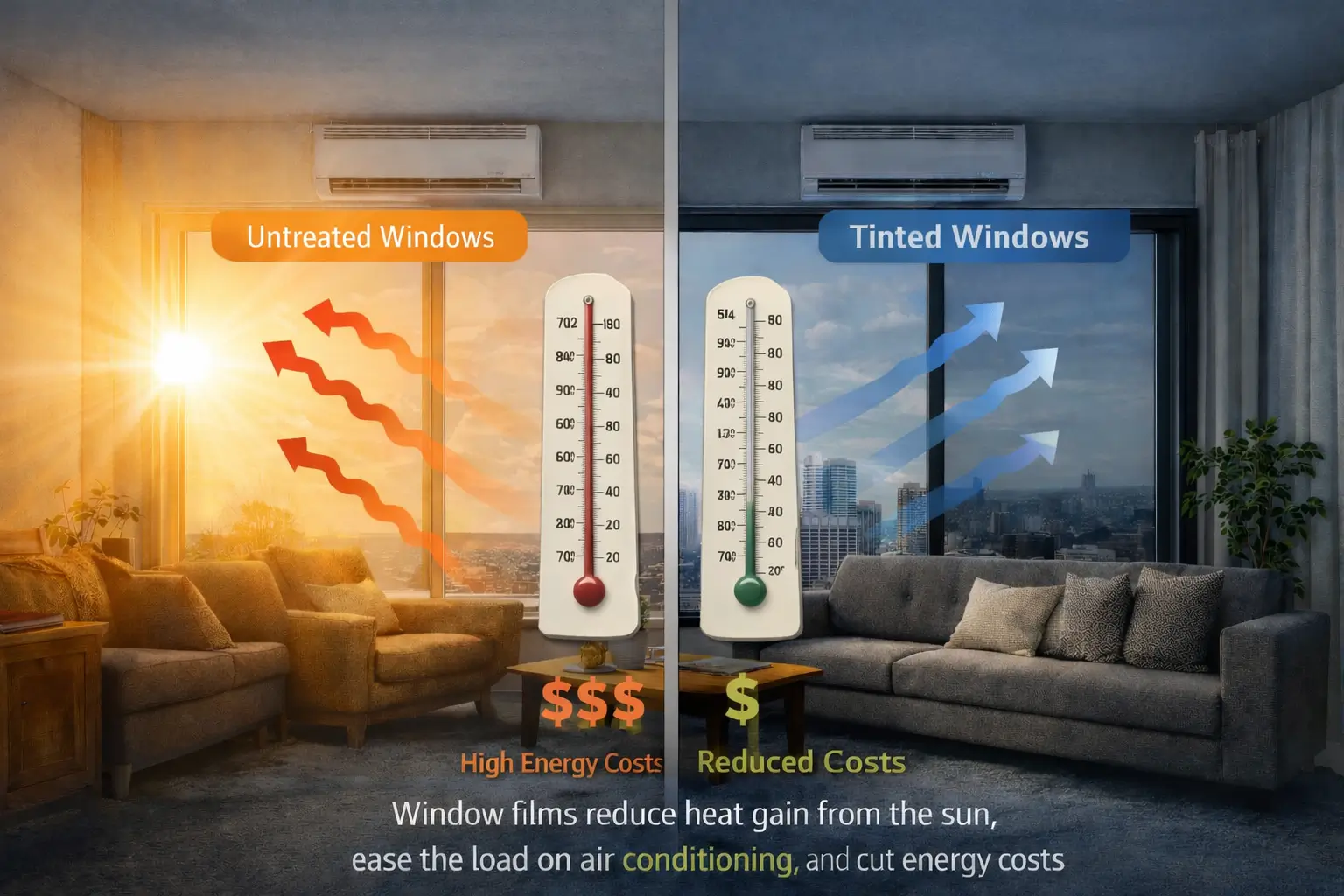
One of the biggest advantages of residential window tinting is its ability to reduce heat gain. During hot days, sunlight entering through untreated windows can quickly raise indoor temperatures. This forces air conditioning systems to work harder, leading to higher electricity bills.
Window films act as a barrier, reflecting a large portion of solar heat away from the glass. As a result, indoor temperatures remain more stable. This reduces the load on cooling systems and helps maintain a comfortable environment without constant adjustments.
Over time, this improved efficiency can lead to noticeable savings on energy costs, especially in areas with strong sunlight throughout the year.
Comfort Benefits You Will Notice Immediately
- Reduced Glare for Better Visibility
Bright sunlight can make it difficult to watch television, work on a computer, or even relax. Reflective solar film softens harsh light, allowing you to enjoy natural brightness without discomfort. - Cooler Indoor Spaces
Rooms exposed to direct sunlight often feel much warmer than others. Window films help balance indoor temperatures, making every part of your home or office feel more comfortable. - Consistent Lighting Without Harshness
Instead of blocking light completely, window tinting service allows soft, diffused light to enter. This creates a pleasant indoor atmosphere without the intensity of direct sunlight. - Improved Privacy During the Day
Certain films provide added privacy by limiting visibility from the outside, while still allowing you to see clearly from inside. - Reduced Eye Strain and Fatigue
Lower glare levels help reduce strain on the eyes, especially for those who spend long hours working on screens. - More Enjoyable Living and Working Environment
When temperature, light, and privacy are balanced, the overall experience of a space becomes far more relaxing and productive.
Protection Beyond Comfort
Residential and commercial window tint does more than just improve comfort. It also plays a key role in protecting your space and well-being.
High-quality window films can block up to 99 percent of harmful UV rays. These rays are a major cause of fading in furniture, carpets, and artwork. By reducing exposure, window tinting helps preserve the look and quality of your interiors for longer.
Additionally, it offers a subtle layer of safety. In case of accidental glass breakage, the film can help hold shattered pieces together, reducing the risk of injury.
There is also a health benefit. Limiting UV exposure indoors contributes to better skin protection, especially in spaces with large windows.
Aesthetic and Style Enhancement
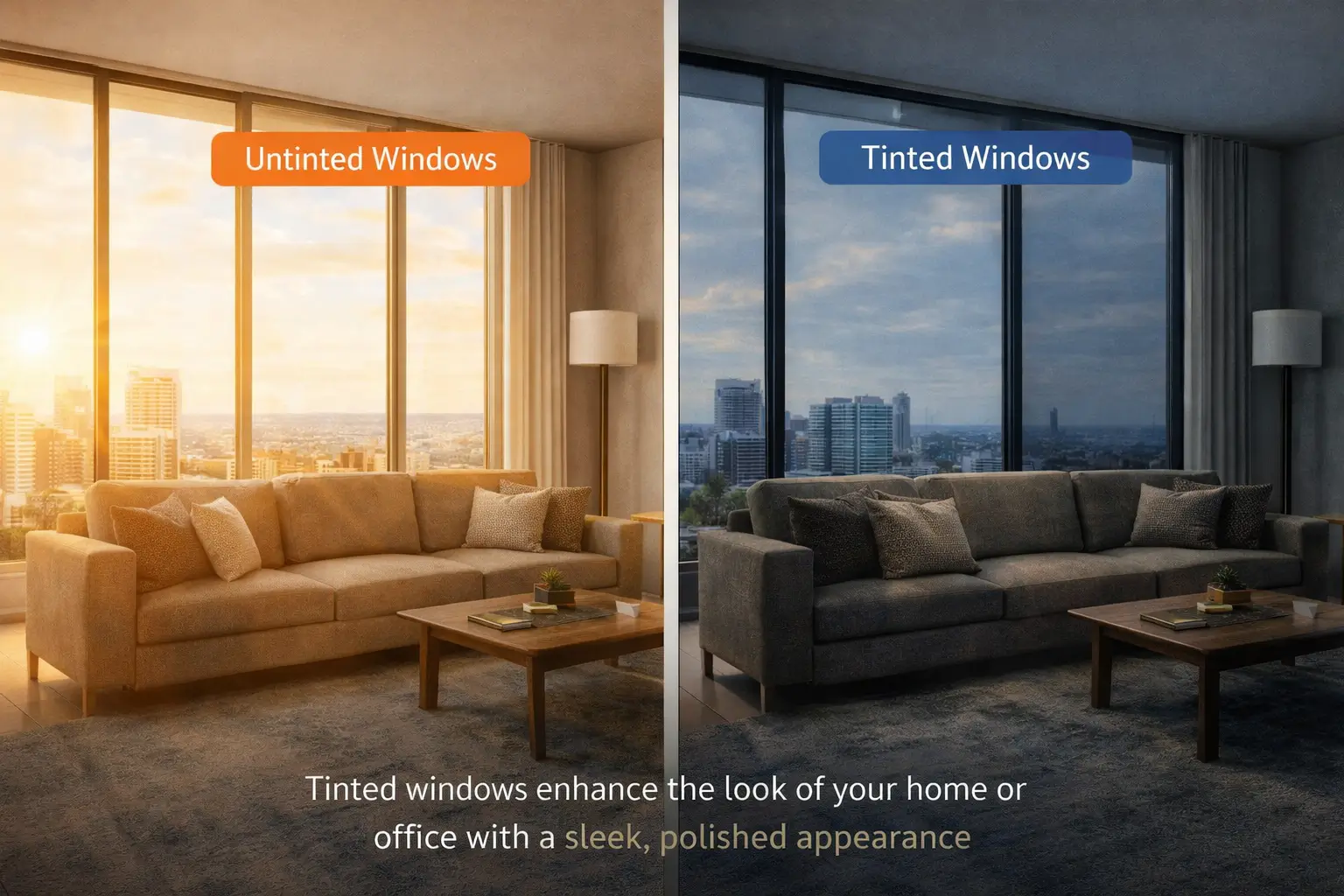
Window tinting is not just about function. It can also enhance the appearance of your home or office.
Modern energy saving window films are available in a variety of shades, finishes, and designs. From clear and subtle options to decorative patterns, there is something to match every style.
Tinted windows can give a sleek, polished look to buildings, improving both interior ambiance and exterior appeal. It is a simple upgrade that does not require major renovations but still delivers noticeable visual impact.
Is Window Tinting a Good Investment?
- Long-Term Energy Savings
While there is an upfront cost, reduced energy consumption can lead to savings over time, especially in warm climates. - Durability and Longevity
High-quality prestige window films are designed to last for years without peeling or fading, making them a reliable solution. - Low Maintenance Requirements
Once installed, residential window tinting requires minimal upkeep. Regular cleaning is usually enough to maintain its effectiveness. - Protection of Interior Assets
Preventing fading helps preserve furniture, flooring, and décor, reducing the need for replacements. - Enhanced Property Value
Energy-efficient and comfortable spaces are often more appealing, which can add value to your property. - Improved Daily Comfort
The immediate benefits in comfort, privacy, and usability make it a worthwhile upgrade for everyday living.
When Is the Right Time to Invest in Window Tinting?
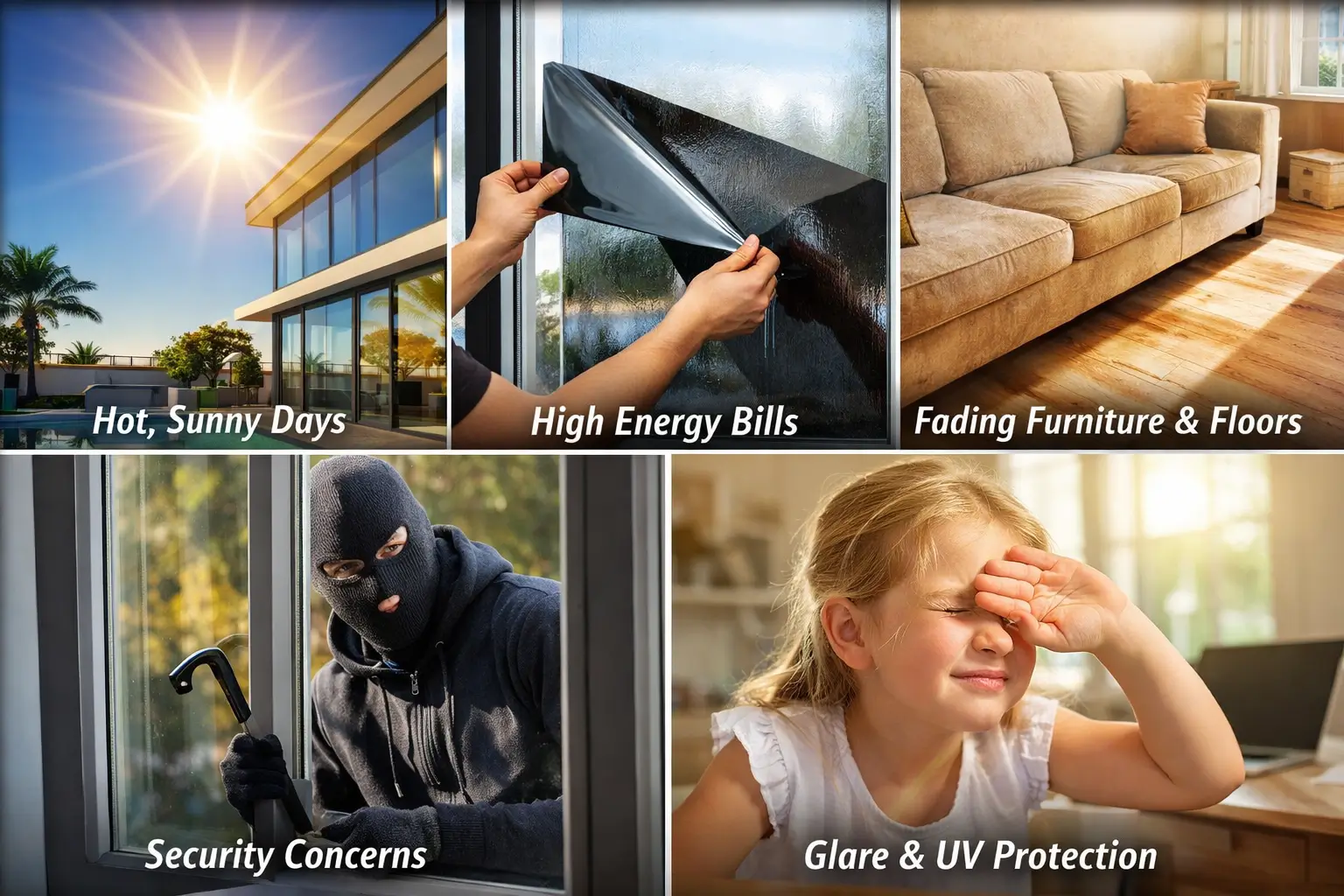
Rising Energy Bills: If cooling costs are increasing, decorative window film can help improve efficiency.
Excess Heat Indoors: Rooms that feel too warm, especially during the day, may benefit from heat-reducing films.
Glare Issues on Screens: Difficulty using TVs or computers due to sunlight is a clear sign.
Fading Furniture or Floors: Visible discoloration indicates strong UV exposure.
Lack of Privacy: If outside visibility is a concern, window films can offer a simple solution.
Renovating or Upgrading a Space: Adding residential and commercial window tint during improvements can enhance both function and appearance.
Final Verdict: Is It Worth It?
Window tinting services offer a balanced mix of comfort, protection, and energy efficiency. From reducing indoor heat and glare to protecting interiors and improving privacy, the benefits are both immediate and long-lasting.
For those looking to create a more comfortable and efficient space without major changes, window tinting stands out as a practical solution.
If you are considering making this upgrade, All Spec Sun Control provides professional window tinting services designed to match your specific needs. Reach out today!
FAQs
1. How long does window tinting last?
Most high-quality window films can last many years with proper installation and minimal maintenance.
2. Will window tinting make my room too dark?
Not necessarily. There are different shades available, allowing you to choose the level of light you prefer.
3. Can window tinting really reduce energy bills?
Yes, by reducing heat gain, it lowers the need for air conditioning, which can lead to energy savings.
4. Does window tinting require special maintenance?
No, regular cleaning with non-abrasive materials is usually enough to keep it in good condition.