
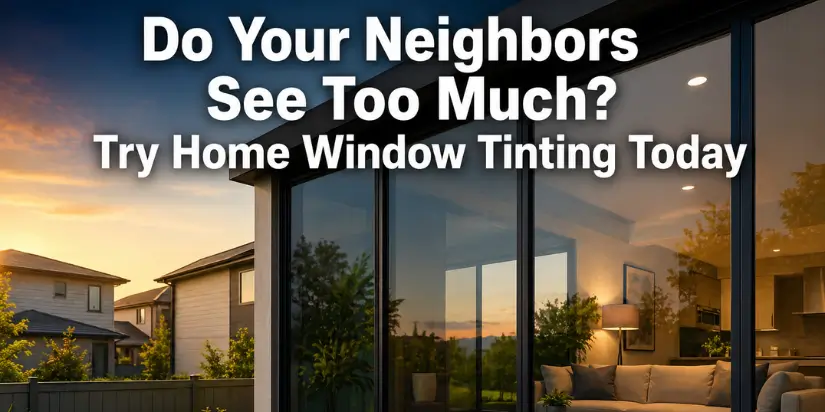
Modern homes often feature large glass windows that bring in natural light and create an open, airy feel. While this design looks appealing, it can also reduce privacy, especially in the evenings when indoor lighting makes everything visible from outside. Window tinting offers an effective solution by enhancing privacy without sacrificing natural light or the modern aesthetic homeowners value.
Many homeowners end up relying on blinds or curtains to feel comfortable, which can be inconvenient. Home window tinting provides a simple solution, helping maintain privacy while still allowing natural light to flow through the space.
Why Privacy Has Become a Real Problem
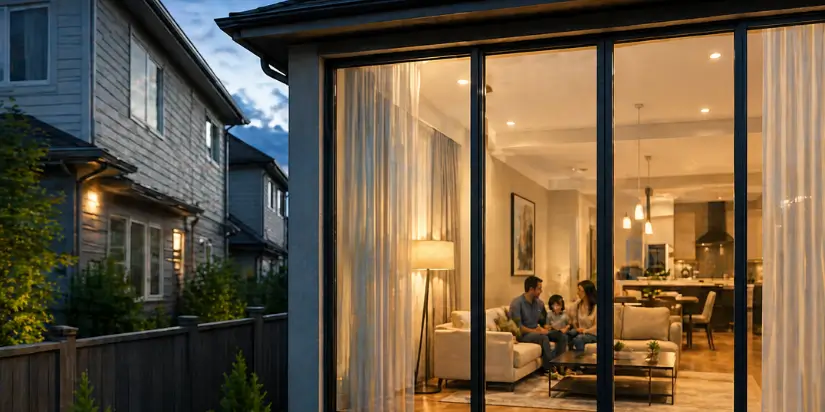
Modern home design has shifted toward open layouts and larger glass panels. While this design trend looks stylish, it also reduces natural privacy. In neighborhoods with closely spaced homes or busy streets, it becomes easy for outsiders to see inside living rooms, kitchens, and bedrooms.
Curtains and blinds are often used as a solution, but they come with limitations. They block natural light, make rooms feel closed, and require frequent adjustment throughout the day. Many homeowners now want a solution that protects privacy without sacrificing sunlight or comfort.
What is Home Window Tinting?
Window tinting is the process of applying a thin, protective film to glass windows. It helps control sunlight, reduce heat, and improve privacy while still allowing natural light to enter the home. The privacy window film works without making rooms dark, offering a balanced way to improve comfort and visibility at the same time.
Instead, it creates a balanced environment where natural light enters freely while reducing outside visibility into the home. It also improves energy efficiency and protects interiors from sun damage. The best part is that it works on existing windows, so there is no need for replacement or major renovation.
Key Benefits of Home Window Tinting
1. Improved Privacy
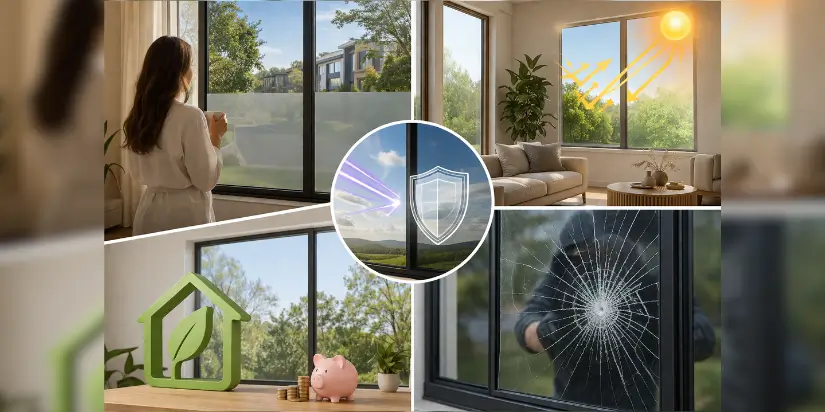
One of the biggest reasons homeowners choose window tinting is privacy. It helps reduce visibility from outside during the daytime, allowing you to enjoy your space without feeling exposed. This is especially useful for street-facing rooms, ground-floor windows, and homes in dense neighborhoods.
2. Heat Reduction
Sunlight entering through glass can quickly raise indoor temperatures, especially during summer. Window tinting with decorative window film helps reduce solar heat, making rooms feel cooler and more comfortable. This also reduces the constant need for air conditioning, which improves overall comfort.
3. UV Protection
Ultraviolet rays from the sun can slowly damage furniture, flooring, curtains, and artwork. Over time, colors fade and materials weaken. Decorative home window film blocks most UV rays, helping preserve the quality and appearance of your home interiors for longer.
4. Energy Savings
When your home stays cooler naturally, your cooling systems do not have to work as hard. This can lead to noticeable savings on electricity bills, especially in warmer states where air conditioning is used frequently throughout the year.
5. Added Safety
Certain reflective window films also add a layer of strength to glass. In case of accidental impact, storms, or attempted break-ins, the film helps hold shattered glass together. This reduces injury risk and adds an extra level of security to your home.
Comparison: Which Film Do You Need?
| Film Type | Primary Goal | Best For |
|---|---|---|
| Privacy Film | Reduced Visibility | Bedrooms, bathrooms, street-facing windows |
| Reflective Solar Film | Heat Control | Sun-exposed rooms, west-facing windows |
| Decorative Window Film | Style Upgrade | Entry doors, living spaces, home offices |
| Safety & Security Film | Glass Strength | Ground-floor windows, storm-prone areas |
| UV Protection Film | Interior Protection | Living rooms, sunrooms, furniture protection |
Who Should Consider Home Window Tinting?
Window tinting is not limited to luxury homes or specific designs. It is useful for a wide range of homeowners, especially those facing everyday comfort and privacy challenges.
- Homeowners living in busy neighborhoods or city areas
- Families with large street-facing windows
- People who want privacy without closing blinds all day
- Anyone who prefers natural light but wants reduced glare and heat
The Value of Professional Window Tinting
Expert Installation Quality
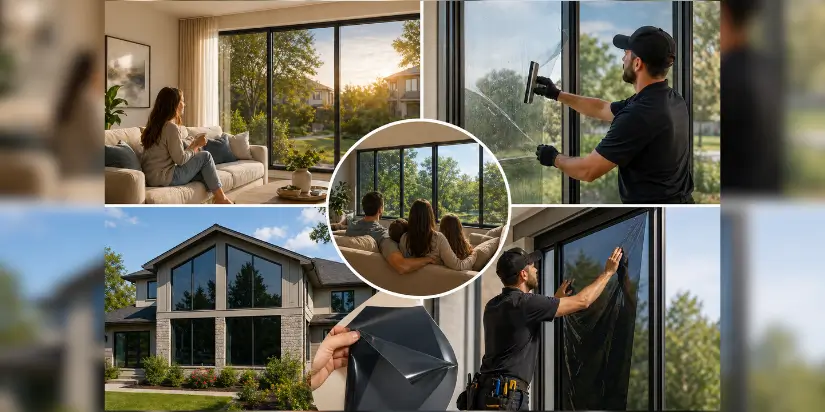
Professionals ensure the safety and security window film is applied smoothly and evenly, without bubbles, wrinkles, or misaligned edges. This improves both appearance and performance while giving the glass a clean, polished finish that is difficult to achieve with DIY methods.
Correct Film Selection
Experts evaluate window direction, sunlight exposure, and room purpose before recommending the right film. This ensures each area of the home gets the proper balance of privacy, heat reduction, and natural light for better overall comfort.
Better Durability and Long-Term Results
Professional installation helps the privacy film for windows bond properly with the glass, reducing risks of peeling, fading, or damage. This extends the life of the window film and ensures it continues to perform effectively for many years.
Safe and Efficient Process
Trained installers handle large, high, or hard-to-reach windows safely using the right tools and techniques. This reduces risk, saves time, and ensures a clean, hassle-free installation experience for homeowners.
Final Thoughts
Home window tinting is a simple upgrade that solves multiple everyday problems at once. It improves privacy, reduces heat, protects interiors, and lowers energy use, all without changing the look of your home. For homeowners who value comfort and natural light, it offers a balanced solution that feels practical and modern.
Ready for better privacy and cooler rooms? Reach out to All Spec Sun Control and find the right window film for your space.
FAQs
1. Does window tinting make rooms dark?
No, modern films are designed to maintain natural light while reducing glare and visibility from outside.
2. How long does window tinting last?
High-quality UV window films can last for many years when professionally installed and properly maintained.
3. Can window film be removed later?
Yes, it can be safely removed without damaging the glass surface when done correctly.
4. Is window tinting only for hot climates?
No, it is useful in all climates for privacy, UV protection, and energy efficiency benefits.