
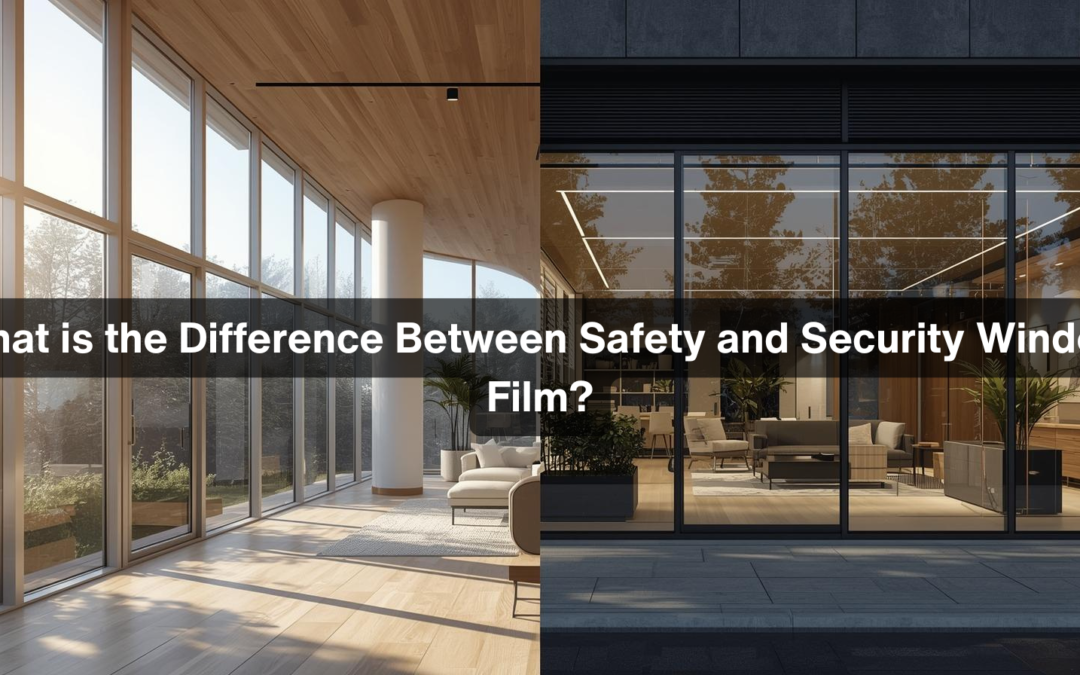
Windows bring light, warmth, and a view of the outside world into our homes and offices.
But they can also present risks, from accidental breakage during storms to intentional
break-ins or vandalism. Window film offer a practical solution, providing protection
while enhancing comfort and style.
Yet, not all window films are the same. Two commonly confused types are Safety and Security Window Film. Understanding the difference can help you choose the right solution for your home or
business, ensuring safety, protection, and peace of mind.
What is a Window Film?
Window film is a thin layer of material applied directly to glass surfaces. It can serve
multiple purposes, from reducing glare and heat to improving privacy or adding decorative
touches. Some films are designed specifically to protect people from broken glass, while
others focus on securing property against break-ins.
With the right choice, window films can improve energy efficiency, reduce UV damage to
furniture and flooring, and even enhance the aesthetic appeal of your space.
Understanding Safety Window Film
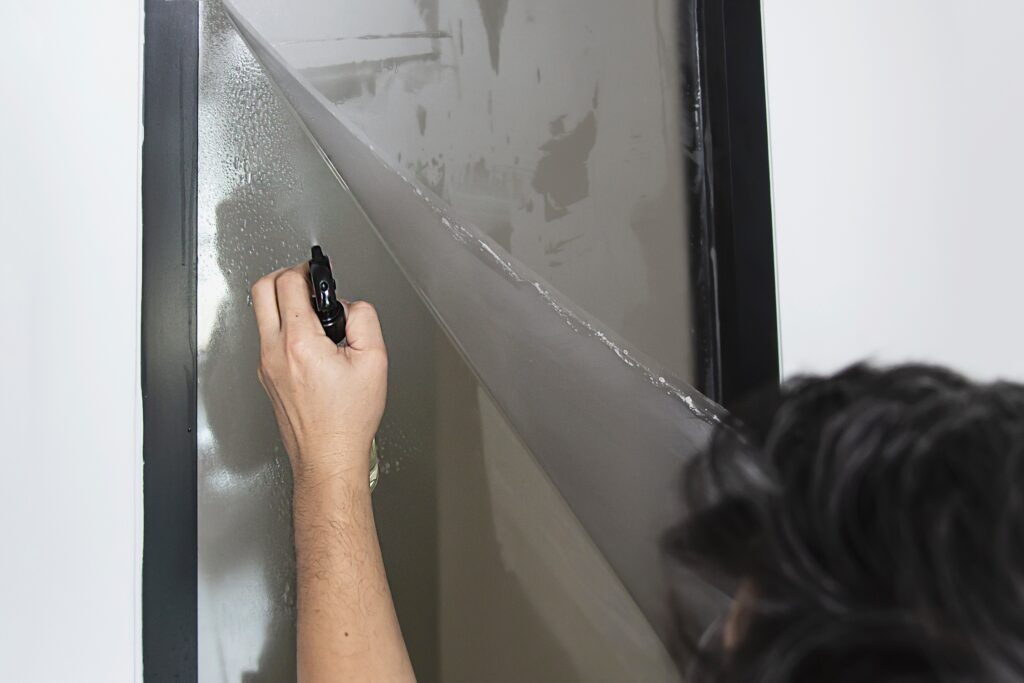
Safety Window Film Residential is primarily designed to protect people from injuries caused by shattered glass.
Accidents can happen—windows may crack during storms, minor collisions, or other impacts.
Safety films hold glass fragments together, reducing the risk of cuts and injuries.
These films are often thinner than security films but are highly effective in mitigating
hazards. Common applications include homes, schools, hospitals, and offices where
protecting occupants is a top priority. In addition to safety, these films can also block
UV rays, reduce glare, and improve comfort indoors.
Understanding Security Window Film
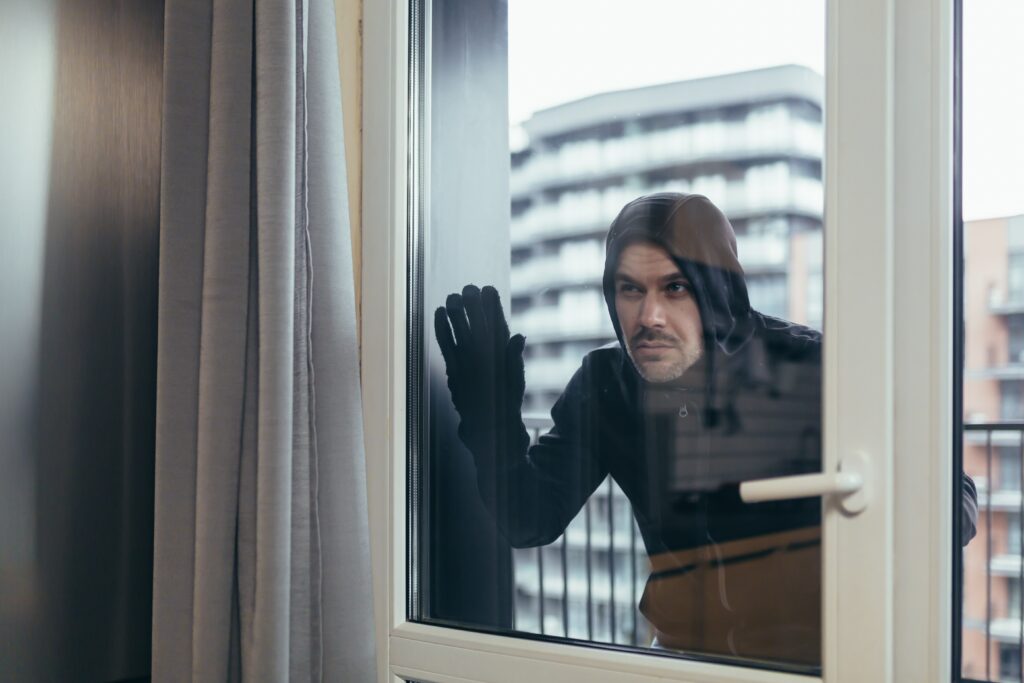
Security window film, on the other hand, focuses on protecting property rather than people.
Its main purpose is to prevent break-ins, theft, and vandalism while also functioning as a
privacy film for windows, limiting visibility from the outside.
These films are typically thicker and stronger than safety films, making glass harder to
penetrate without compromising natural light. While they may not completely stop a
determined intruder, they can delay entry long enough to deter theft or provide time for
response.
Businesses, retail stores, banks, and high-risk areas often benefit most from security
films. Beyond protection, these films can also reduce glare, enhance energy efficiency,
and offer an added layer of privacy.
Key Differences Between Safety and Security Window Film
| Feature | Safety Window Film | Security Window Film |
|---|---|---|
| Primary Purpose | Protects people from glass injuries | Protects property from break-ins or theft |
| Thickness | Thinner, designed for impact absorption | Thicker, designed for forced entry resistance |
| Type of Protection | Accidental breakage, storms, minor impacts | Intentional attacks, break-ins, vandalism |
| Common Applications | Homes, schools, hospitals, offices | Businesses, retail, banks, high-risk areas |
| Cost | Generally lower | Higher due to durability and strength |
| Additional Benefits | UV protection, glare reduction | Glare reduction, energy efficiency, privacy enhancement |
Choosing the Right Window Film for Your Needs
Selecting the right film depends on your goals, location, and budget.
Here are key considerations:
1. Assess Your Primary Goal
Decide whether your main concern is protecting people, property, or both. 3M window tints are ideal for injury prevention, while security films are better for deterring break-ins.
2. Consider Your Location and Risk Factors
Homes in storm-prone areas may benefit more from safety films. Offices or retail stores
in high-crime areas may require security films.
3. Evaluate Glass Type and Size
Consider the type of windows you have. Single-pane or large glass surfaces may need
stronger films to provide effective protection.
4. Determine Desired Thickness and Strength
Thicker films offer more resistance but can cost more. Balance strength with the level
of protection you need.
5. Set a Realistic Budget
Privacy films for windows vary in price depending on thickness, brand, and features.
Evaluate your budget and the level of protection required.
6. Consult Professionals for Expert Advice
A professional can assess your needs, recommend the right film, and ensure proper
installation. Many films also offer combined safety and security benefits.
Benefits of Professional Installation
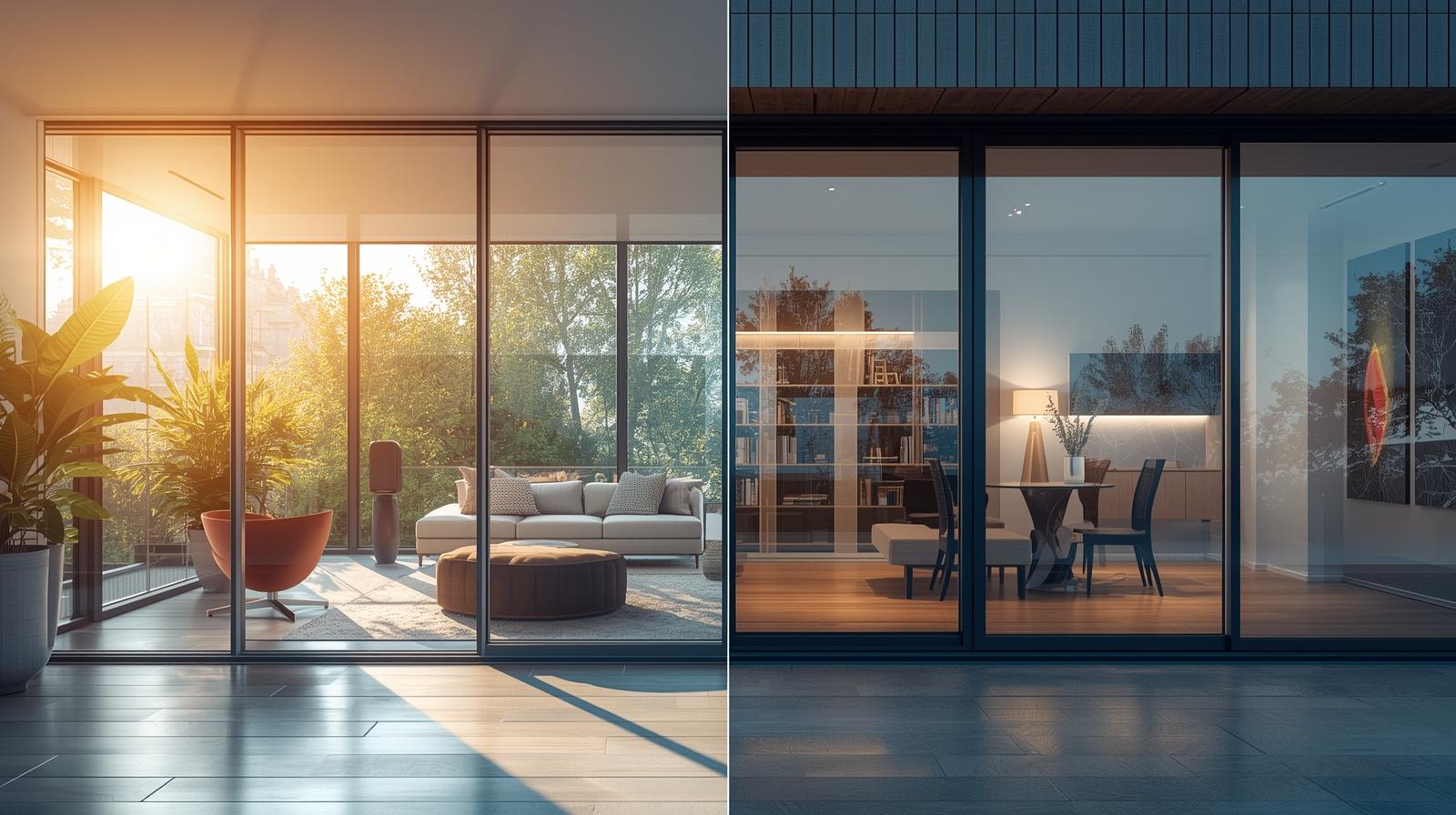
Installing 3M window tint film is more than just applying a layer of material—it requires
precision and expertise. Professional installation ensures that the film adheres properly,
maximizes durability, and maintains warranty coverage. Here’s why hiring an expert matters:
1. Ensures Proper Adhesion and Coverage
Professionals apply films evenly without gaps, preventing peeling or bubbling.
2. Maximizes Film Durability
Correct installation ensures the film lasts for years, even under harsh sunlight or
temperature changes.
3. Maintains Warranty Protection
Many manufacturers of Window Tinting Services require professional installation to honor their warranties.
4. Guarantees Precise Fit and Finish
Custom cuts and clean edges ensure a polished look without wrinkles or visible seams.
5. Reduces Risk of Bubbles or Peeling
Professionals know techniques to eliminate air pockets and prevent premature wear.
Conclusion
Safety and security window films serve distinct purposes. Safety films are designed to
protect people from shattered glass, while security films focus on safeguarding property
against break-ins and vandalism. Understanding these differences can help you make a
well-informed choice, ensuring that your home or business remains safe, secure, and
comfortable.
Upgrade your windows with more than just style. All Spec Sun Control offers professional
window film solutions that enhance safety, security, and comfort.
FAQ’s
Q1: Can a single film provide both safety and security?
Yes, some high-quality films are designed to offer both protection against breakage and
resistance to forced entry.
Q2: How long does window film last?
With professional installation, most films last 10–20 years, depending on exposure to
sunlight and maintenance.
Q3: Will window film reduce glare and heat?
Yes, most safety and security films reduce glare, block UV rays, and can help improve
energy efficiency.
Q4: Can I install window film myself?
While DIY installation is possible, professional installation is recommended for maximum
protection, durability, and warranty coverage.