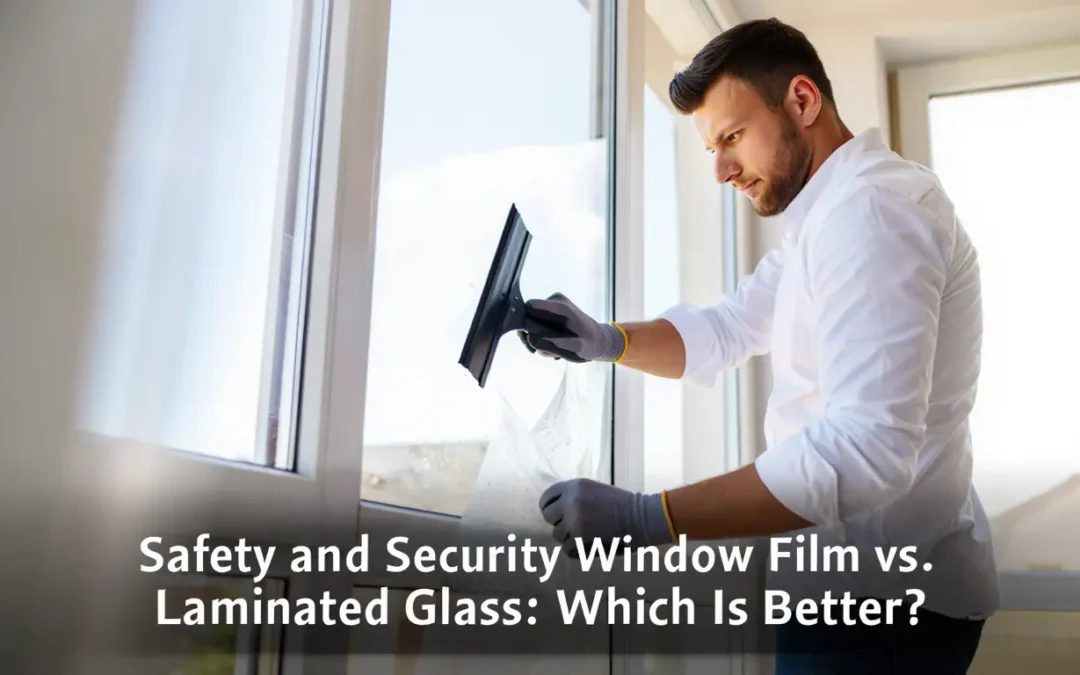
Glass fills a space with light and openness, yet it often remains one of the weakest structural elements in any property. A sudden impact, attempted break-in, or powerful storm can quickly turn ordinary windows into a safety hazard.
To reduce these risks, many homeowners and business owners weigh two reliable options: safety and security window film or laminated glass. Each solution strengthens existing glazing in a different way, and knowing how they compare helps in making a confident, well-informed decision.
What Is Safety and Security Window Film?
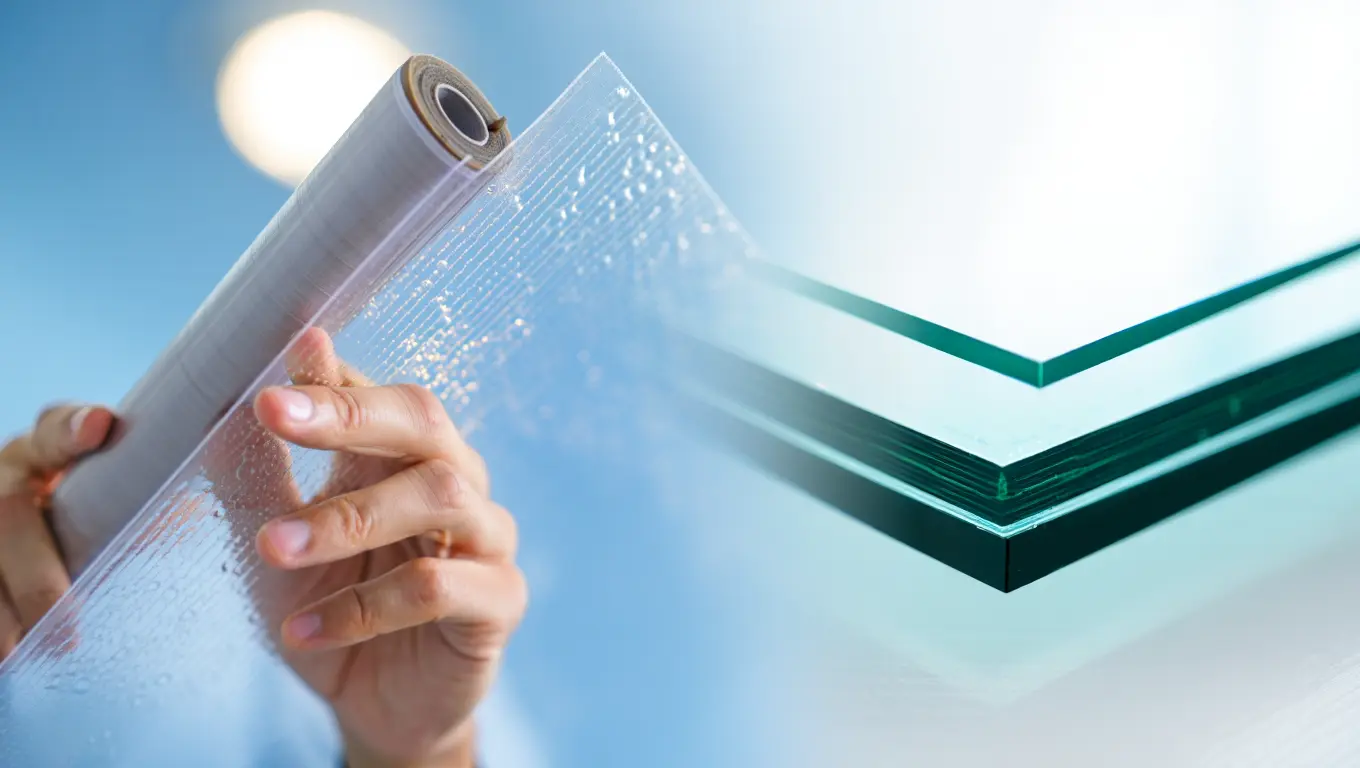
Security window film is a thick, durable polyester layer professionally applied to existing glass surfaces. Once installed, it bonds tightly to the window, strengthening it without altering the original structure. Its main purpose is to hold shattered glass together after impact.
If struck by debris, accidents, or attempted break-ins, the security window film for home helps prevent dangerous shards from scattering, reducing injury risks and slowing unauthorized entry. Suitable for homes, offices, storefronts, and schools, it can also provide UV protection, glare reduction, and improved energy efficiency without requiring full window replacement.
What Is Laminated Glass?
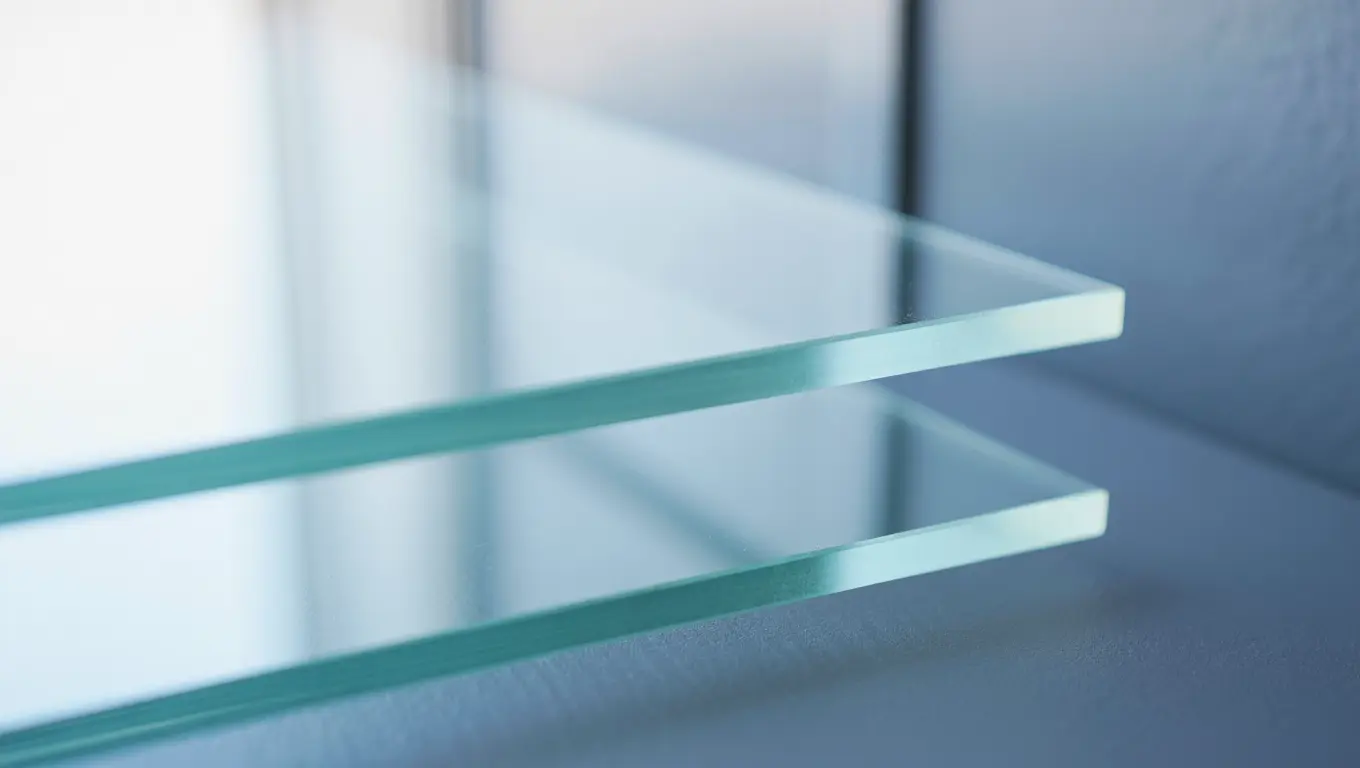
Laminated glass is created by bonding two panes of glass with a tough interlayer, commonly made from polyvinyl butyral (PVB). This inner layer keeps the glass intact even after impact.
If struck, the glass may crack, yet the fragments remain adhered instead of scattering. Typically installed during new construction or major upgrades, laminated glass is widely used in high-security settings and storm-prone regions requiring stronger structural protection.
Key Differences Between Safety Window Film and Laminated Glass
1. Strength and Protection Comparison
Laminated glass features a bonded interlayer between two panes, delivering built-in structural strength and strong resistance to impact or forced entry. Safety and security 3m window tint reinforces existing glass by holding shattered fragments together after breakage. While it does not make glass unbreakable, it improves retention and delays intrusion attempts in most residential and commercial settings.
2. Installation and Disruption
Shatter-resistant window film is applied directly to existing windows, making installation quick and minimally disruptive. No structural changes or window replacements are required. Laminated glass installation involves removing current panes and installing new manufactured units, which requires more labor and may cause temporary inconvenience, particularly in active homes or business environments.
3. Cost Comparison
Laminated glass generally comes with higher upfront costs due to manufacturing and full window replacement. Additional framing adjustments can increase expenses further. Safety window film is typically more cost-effective because it enhances current windows rather than replacing them, offering improved protection at a lower overall investment.
4. Energy Efficiency and UV Protection
Many safety and security window films block a high percentage of UV rays and help reduce glare and heat gain. This can protect interiors from fading and improve indoor comfort. Laminated glass mainly focuses on strength. Although some versions include coatings, they may not provide the same level of UV and heat control as specialized films.
5. Aesthetic Impact
Window film for burglary protection offers flexibility in appearance, with clear, tinted, or decorative options available. Property owners can enhance privacy while maintaining natural light. Laminated glass usually retains a standard glass appearance with limited customization unless paired with additional treatments or specialty finishes.
6. Maintenance and Longevity
Laminated glass is designed for long-term durability as part of the window system and requires routine cleaning only. Professionally installed security window film also delivers lasting performance and often includes warranties, though eventual replacement may be needed depending on environmental exposure and product quality.
Which Is Better for Your Property?

The answer depends on your specific needs.
If you are building a new property or undergoing major renovations, laminated glass may provide a comprehensive structural solution. It integrates directly into the window system and offers strong impact resistance.
However, if you are upgrading an existing home or office, protective window film installation offers an effective, budget-friendly improvement without the inconvenience of window replacement. It enhances protection by strengthening existing glass, improves indoor comfort through added UV and glare control, and increases overall property value, all while ensuring minimal disruption to daily routines.
Ultimately, the better option is the one that aligns with your security requirements, budget, and long-term goals.
Conclusion
Both safety and security window film and laminated glass are designed to make buildings safer. Laminated glass offers built-in structural strength, while security film enhances existing windows by holding shattered glass in place and adding impact resistance.
For many property owners, the decision comes down to cost, installation complexity, and additional benefits such as UV protection and energy savings.
Not sure whether window film or laminated glass is right for you? Let the experts at All Spec Sun Control guide you toward the safest and most cost-effective option for your space. Schedule a consultation!
FAQs
1. Does security window film make glass unbreakable?
No. Security film does not make glass unbreakable, but it helps hold broken pieces together and can delay forced entry.
2. Is laminated glass stronger than security window film?
Laminated glass generally provides greater structural strength, but security film still offers significant safety improvements for existing windows.
3. Can security window film protect against hurricanes?
High-quality security films can help reduce shattering from flying debris, but performance depends on product type and installation standards.
4. How long does safety and security window film last?
When professionally installed, many films last 10–20 years or more, often backed by manufacturer warranties.
5. Is it cheaper to install security film or replace windows with laminated glass?
In most cases, installing security window film is more cost-effective than replacing existing windows with laminated glass.