
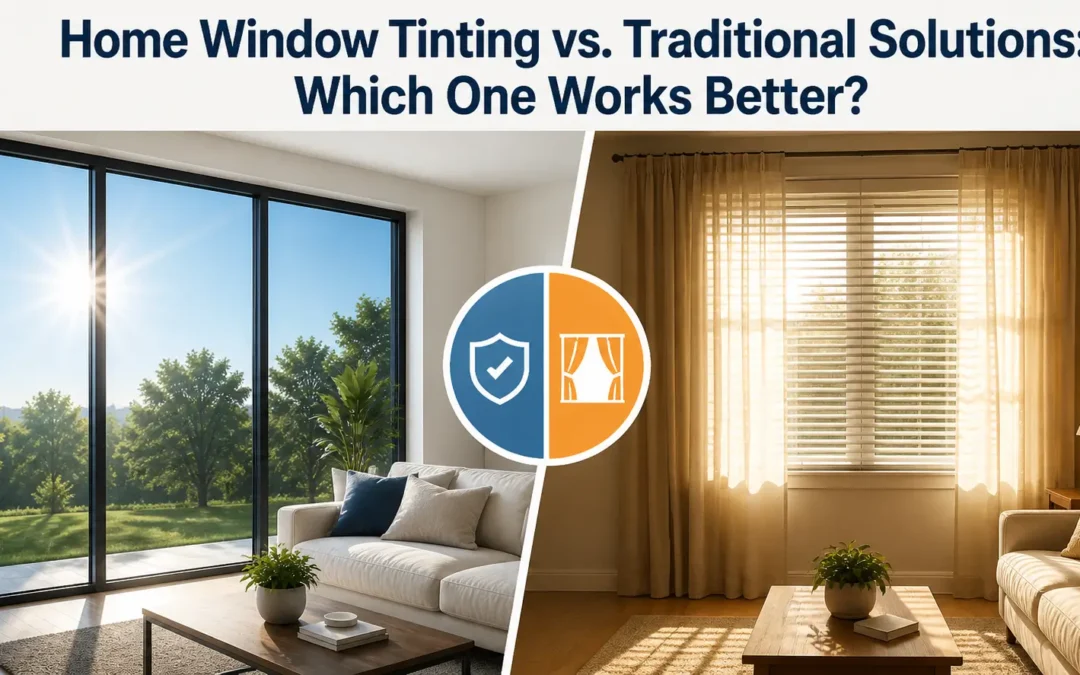
Sunlight can make a space feel warm and inviting, until it starts working against you. Rooms heat up faster than expected, glare makes screens uncomfortable to use, and over time, furniture begins to fade. Many homeowners rely on curtains or blinds to manage these issues, but those solutions don’t always address the root of the problem.
This is where home window tinting enters the conversation. It offers a more modern approach, designed not just to cover windows but to improve how your space feels throughout the day. To understand what truly works better, it helps to look at how both options perform in real-life situations.
The Real Problem: What Are You Trying to Fix?
Before choosing a solution, it’s important to define the problem clearly. Most homeowners are trying to deal with:
- Excess indoor heat, especially during sunny afternoons
- Harsh glare on TVs, laptops, and mobile screens
- Increasing energy bills due to constant air conditioning use
- Lack of privacy without blocking natural light
- Fading furniture, flooring, and decor from UV exposure
The ideal solution should address most, if not all, of these concerns, rather than just one.
How Traditional Window Coverings Actually Perform
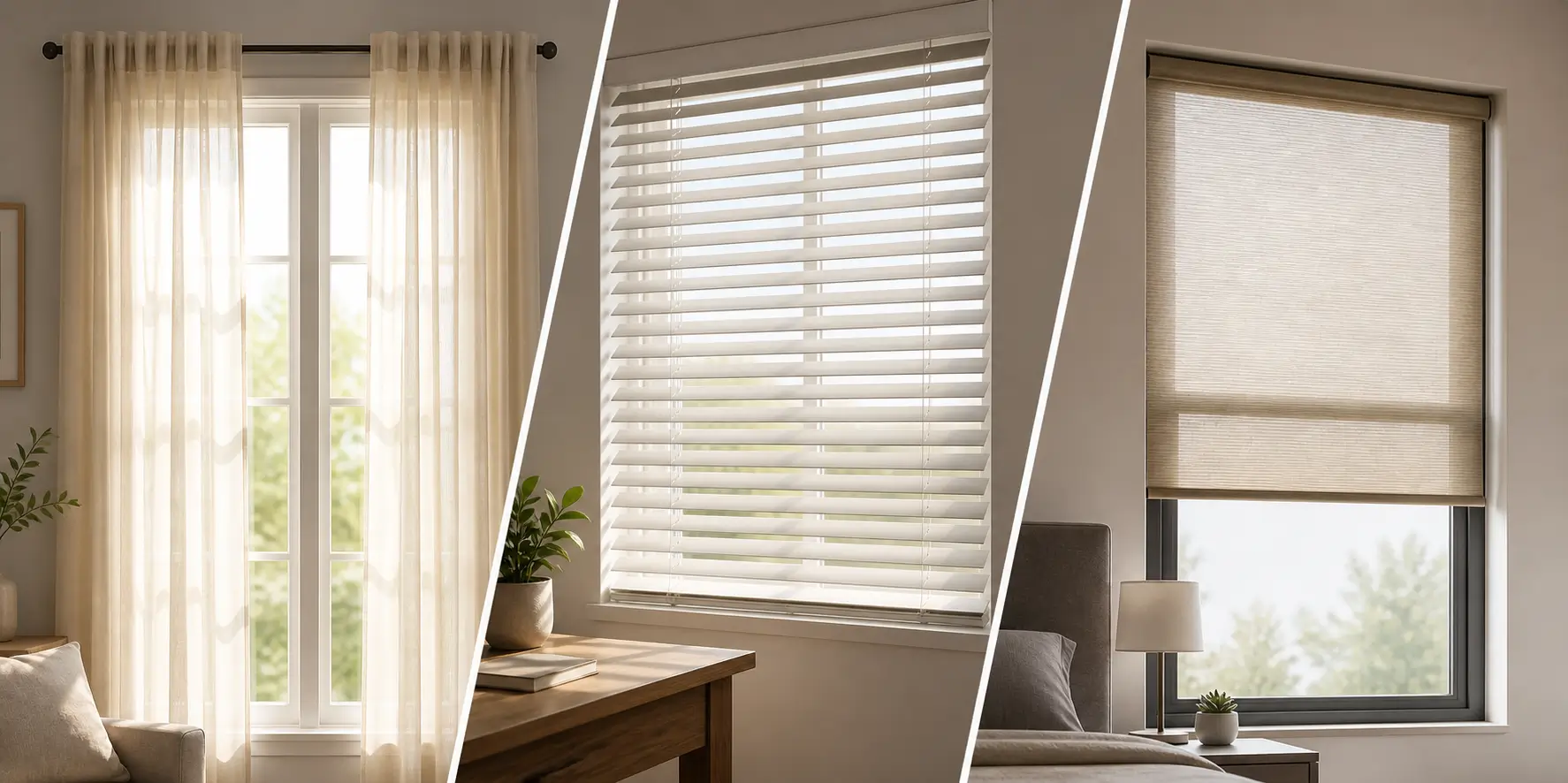
Curtains, blinds, and shades have been used for decades, mainly because they are simple and accessible. They help control brightness and offer privacy when needed. However, their effectiveness is somewhat limited.
These coverings work after sunlight has already entered your space. While they can block light, they often trap heat inside the room, making interiors feel warmer. Fully closing them also means losing natural daylight, which can make rooms feel darker and less inviting. Privacy window film on the other hand, manages light without completely shutting it out.
In many cases, traditional solutions are more about managing visibility than improving comfort or energy efficiency.
What Makes Home Window Tinting Different
Home window tinting works directly at the source, the glass itself. Instead of reacting to sunlight after it enters, it helps reduce heat and glare before they spread indoors.
Modern window films are designed to block a significant portion of UV rays while still allowing soft, natural light to pass through. This creates a more balanced indoor environment without the need to constantly adjust blinds or curtains.
Another advantage of decorative home window film is consistency. Once installed, window tinting works throughout the day without any effort, maintaining comfort, visibility, and privacy in a seamless way.
Side-by-Side: Where the Difference Becomes Clear
| Factor | Home Window Tinting | Traditional Solutions (Curtains/Blinds) |
|---|---|---|
| Heat Control | Reduces heat before it enters, keeping rooms cooler | Traps heat after it enters, leading to warmer interiors |
| Light Experience | Traps heat after it enters, leading to warmer interiors | Requires closing to reduce glare, making rooms darker |
| Energy Use | Helps lower cooling costs by reducing AC load | Minimal impact on overall energy efficiency |
| Maintenance | Low upkeep, long-lasting performance | Requires regular cleaning and occasional replacement |
| UV Protection | Blocks up to 99% of harmful UV rays | Partial protection depending on material |
| Aesthetic Impact | Clean, modern look without adding bulk | Can feel heavy or outdated depending on design |
The Cost Conversation (Beyond Just Price)
At first glance, curtains and blinds seem like the more affordable choice. They require a smaller upfront investment and are easy to install. However, when you factor in replacements, cleaning, and energy inefficiency, the long-term cost can increase.
Office window tinting involves a higher initial cost, but it delivers continuous benefits. From energy savings to reduced wear on interiors, it often proves to be a more cost-effective option over time.
Tips for Choosing the Right Home Window Tinting Provider

Check Experience
Experience often reflects the quality of work you can expect. A provider with years in the industry is more likely to handle different window types and challenges with ease. It also shows reliability and a proven track record.
Proper Licensing
A licensed provider follows industry standards and local regulations. This adds a layer of trust and ensures the work is done professionally. It also protects you from potential issues during or after installation of the decorative home window film.
Customer Reviews
Reviews give insight into real customer experiences. Look for consistent feedback about professionalism, quality, and service. Positive testimonials often indicate a dependable provider.
Warranty Offered
A good warranty reflects confidence in both the product and installation. It ensures that you are covered in case of defects or issues later on. This adds long-term value to your investment.
Installation Quality
Even the best privacy window film won’t perform well if installed poorly. Proper installation ensures a smooth finish, no bubbles, and long-lasting results. Skilled installers make a noticeable difference.
Fair Pricing
Pricing should be transparent and aligned with the quality offered. Extremely low prices may compromise materials or workmanship. It’s better to focus on value rather than just the cost of the window tinting near you.
So, Which One Works Better?
When it comes to overall performance, home window tinting clearly offers a more complete solution. It addresses heat, glare, UV exposure, and energy efficiency, all without compromising natural light or aesthetics. Traditional window coverings still have their place, especially for décor or blackout needs, but they often work best as a secondary layer rather than a primary solution.
For homeowners looking to create a cooler, more comfortable, and energy-efficient space, window tinting stands out as a smart long-term investment.
If you’re considering upgrading your space, All Spec Sun Control offers professional safety and security window film solutions designed to match your needs and budget.
FAQs
1. Does home window tinting make rooms too dark?
No, modern window films are designed to reduce glare while still allowing natural light to enter, keeping spaces bright and comfortable.
2. How long does window tinting last?
High-quality window films can last for many years, especially when installed professionally.
3. Can window tinting really reduce energy bills?
Yes, by limiting heat entry, it reduces the need for constant air conditioning, which can lower energy costs over time.
4. Does window tinting require maintenance?
Very little. Regular cleaning of the glass is usually enough to keep it in good condition.