
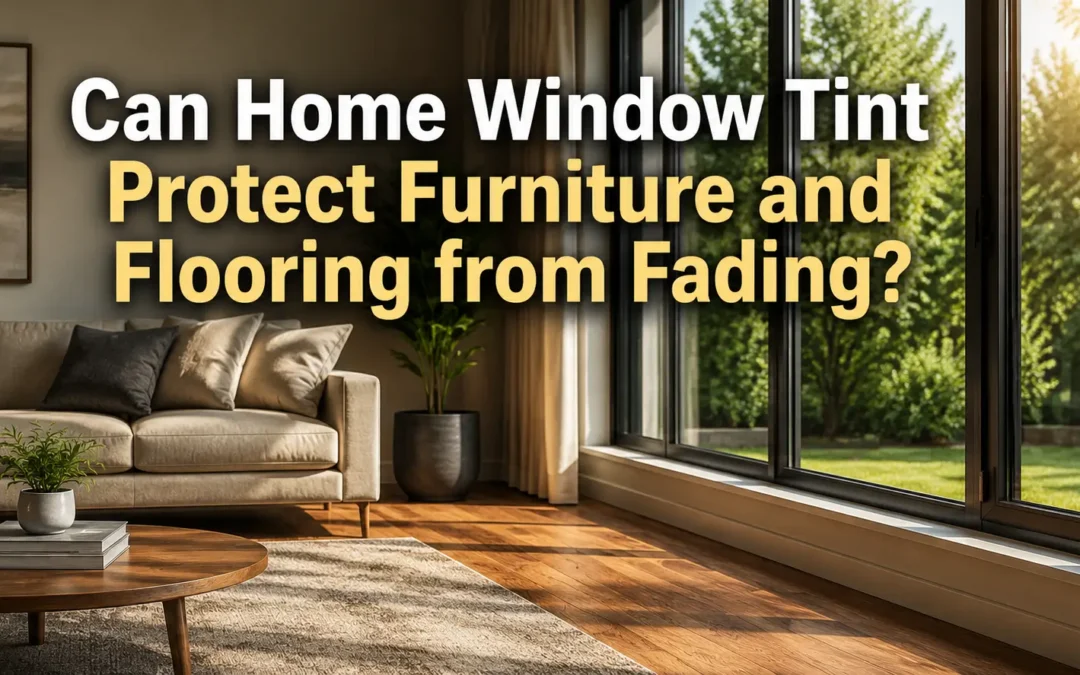
Sunlight makes a home feel bright, warm, and inviting, especially with large windows and open spaces. However, continuous exposure to sunlight can gradually cause interior fading that often goes unnoticed at first.
Furniture, carpets, wooden floors, and curtains may slowly lose their original color and vibrancy over time. Window tint offers a practical solution by reducing harmful sun exposure while still allowing natural light to enter, helping preserve interiors and maintain their fresh appearance for longer.
Why Fading Happens Indoors
Fading does not happen randomly. It is mainly caused by ultraviolet (UV) rays from sunlight. These rays break down the chemical structure of dyes and materials over time.
Along with UV exposure, heat and visible light also contribute to the damage. Rooms that receive direct sunlight for several hours a day tend to show faster signs of wear.
Common household items affected include:
- Sofas and upholstered furniture
- Area rugs and carpets
- Wooden flooring and cabinets
- Curtains and fabric decor
- Artwork and decorative pieces
Even premium materials are not fully immune when exposed continuously.
How Home Window Film Works
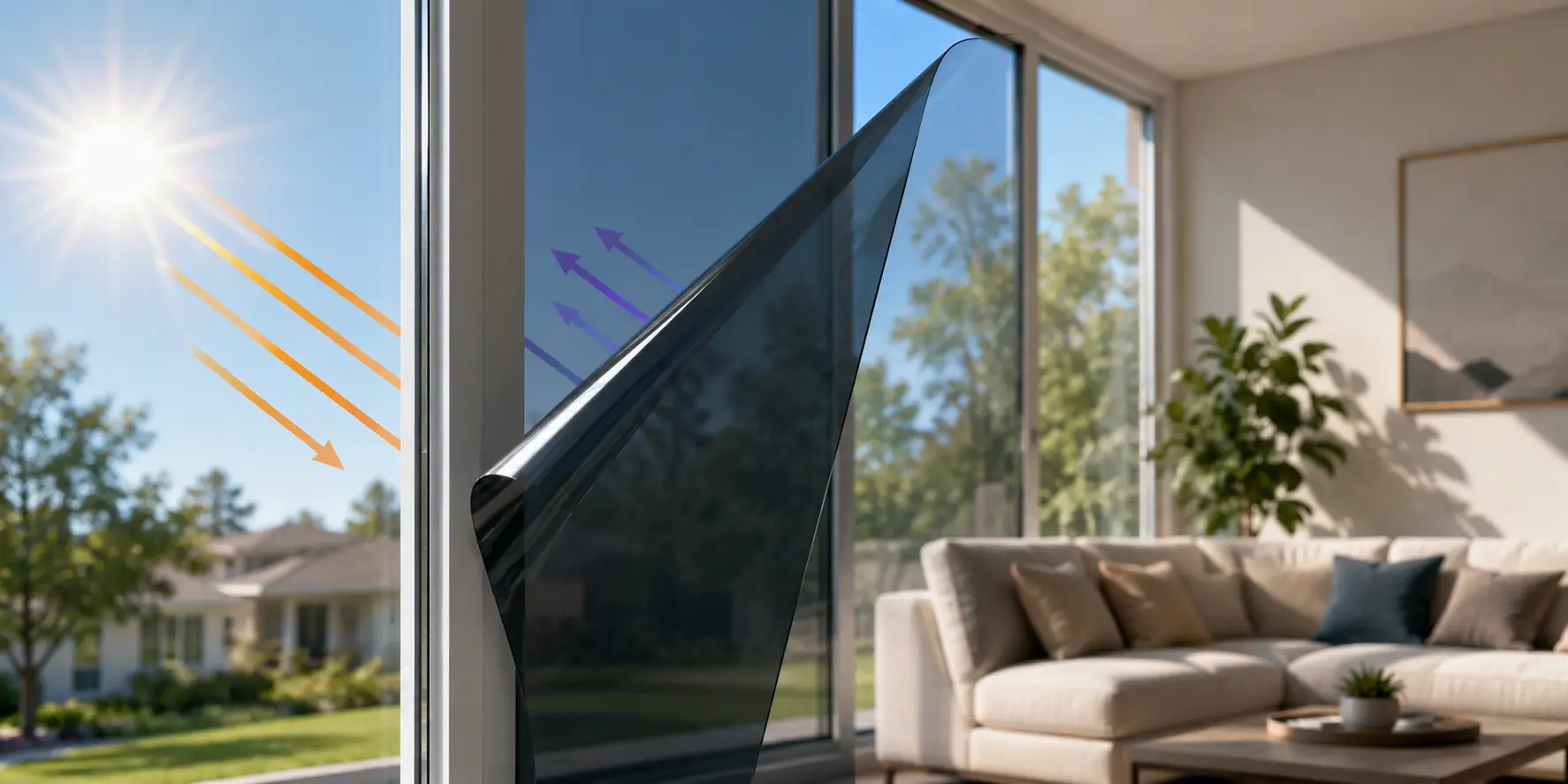
The best window tint is a thin protective film applied directly to glass surfaces. It is designed to filter sunlight before it enters indoor spaces.
The film acts as a barrier that reduces UV rays, controls heat, and softens harsh sunlight. Unlike curtains or blinds that block light completely, window tint allows natural brightness while reducing harmful effects.
This balance is what makes it a practical long-term solution for residential spaces.
Can Home Window Tint Really Prevent Fading?
Window tint does not completely stop fading, but it significantly slows it down. High-quality films can block up to 99% of UV rays, which are the primary cause of discoloration.
Without home window privacy film, sunlight enters directly and continuously impacts surfaces. With tint installed, the intensity is filtered, reducing long-term damage.
Over time, this means furniture, flooring, and decor maintain their original appearance for much longer compared to untreated windows.
Benefits of Home Window Tint Beyond Fading Protection
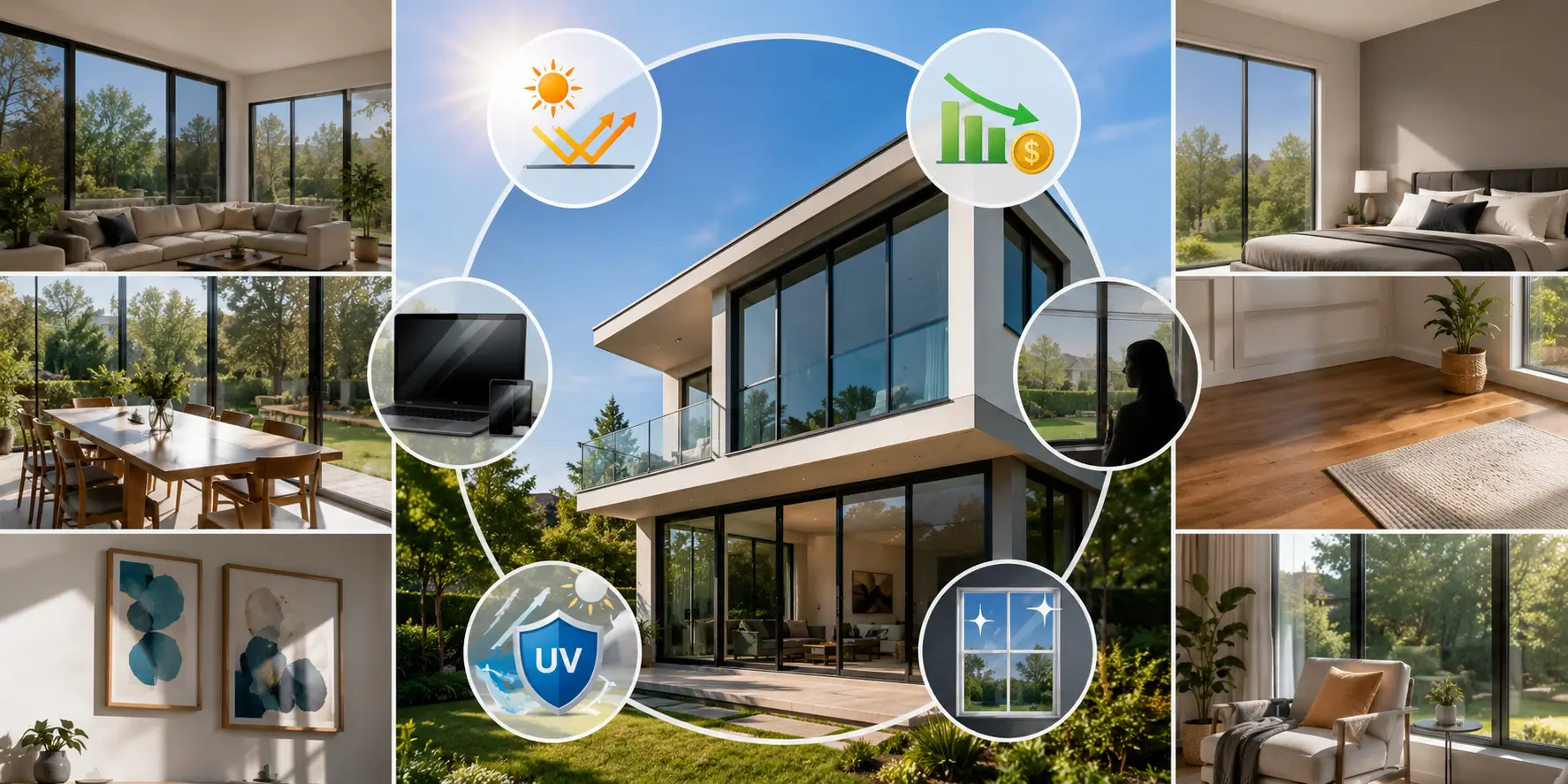
Heat Reduction & Comfort
Window tint reduces solar heat entering the home, making indoor spaces noticeably cooler and more comfortable.
Lower Energy Bills
With reduced heat gain, home window tint near you helps air conditioning systems work less, lowering electricity consumption.
Less Screen Glare
Harsh sunlight often causes glare on TVs, laptops, and mobile screens. Tint helps soften this effect.
Better Privacy
Certain films provide daytime privacy without blocking outside views completely.
UV Protection
UV blocking window film to protects both interiors and skin from harmful UV exposure during daily activities indoors.
Improved Home Look
Adds a clean, modern finish to windows, enhancing overall interior and exterior appearance.
Areas in the Home That Benefit Most
- Living rooms with large glass windows
- Bedrooms facing direct sunlight
- Dining areas with wide openings
- Rooms with wooden flooring or expensive rugs
- Spaces with artwork or delicate decor
Types of Home Window Privacy Film for Home Protection
| Type of Window Film | Key Purpose | Best For |
|---|---|---|
| UV Protection Film | Blocks up to 99% UV rays | Preventing fading of furniture and flooring |
| Solar Control Film | Reduces heat and sunlight intensity | Hot climates and sun-facing rooms |
| Energy Efficient Film | Improves insulation | Reducing cooling costs year-round |
| Decorative Film | Adds patterns and style | Bathrooms, partitions, or accent windows |
| Privacy Film | Limits outside visibility | Street-facing rooms and bedrooms |
Things to Consider Before Installing Window Tint
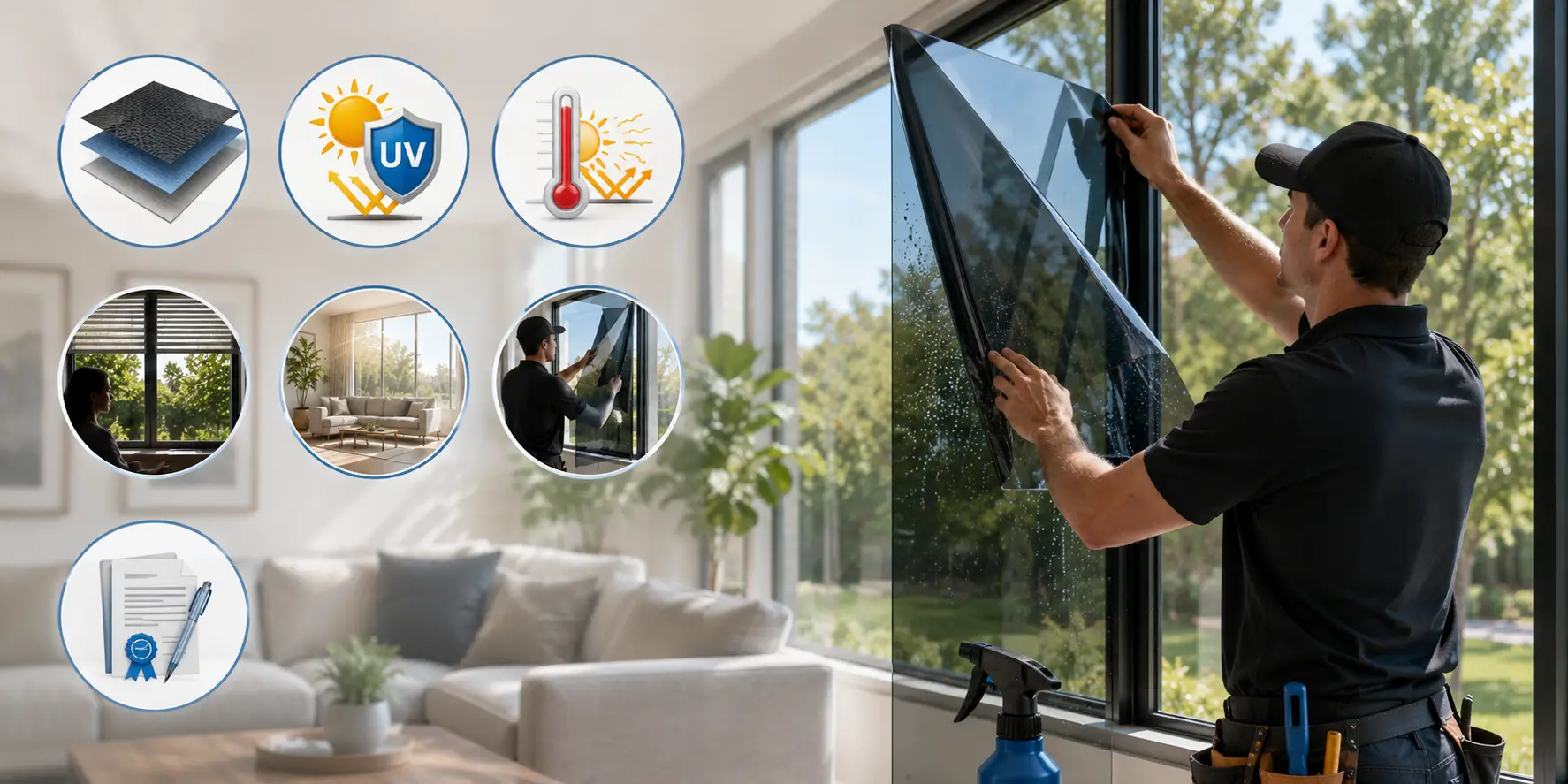
Film quality: Higher-grade home window privacy films offer better durability and performance over time.
UV protection level: Look for films with high UV rejection for maximum protection.
Heat reduction ability: Important for homes in warm and sunny regions.
Privacy needs: Some films prioritize visibility control more than others.
Light preference: Choose a tint that matches how bright you want your rooms to feel.
Installation expertise: Professional installation ensures smooth finish and long-lasting results.
Warranty coverage: A good warranty adds confidence in long-term performance.
Final Thoughts
Fading interiors may seem like a gradual change, but the impact on a home’s appearance and value can be significant over time. Home window tint offers a practical way to slow down this process while also improving comfort, privacy, and energy efficiency.
For professional installation and tailored solutions, All Spec Sun Control provides reliable house window tinting near you designed to protect interiors and improve living spaces.
FAQs
1. Does home window tint completely stop furniture from fading?
No, but it significantly reduces fading by blocking most UV rays responsible for discoloration.
2. Will window tint make my home too dark?
Not necessarily. Modern films are designed to maintain natural brightness while filtering harmful sunlight.
3. How long does home window tint last?
High-quality films can last many years, especially when professionally installed and properly maintained.
4. Is window tint worth it for energy savings?
Yes, it helps reduce heat gain, which can lower air conditioning usage and energy costs over time.