
Jacksonville summers bring intense heat, strong sunlight, and high UV exposure that can make rooms near windows uncomfortable. Untreated glass allows solar heat to enter your home, increasing glare, creating hot spots, and making your air conditioning system work harder.
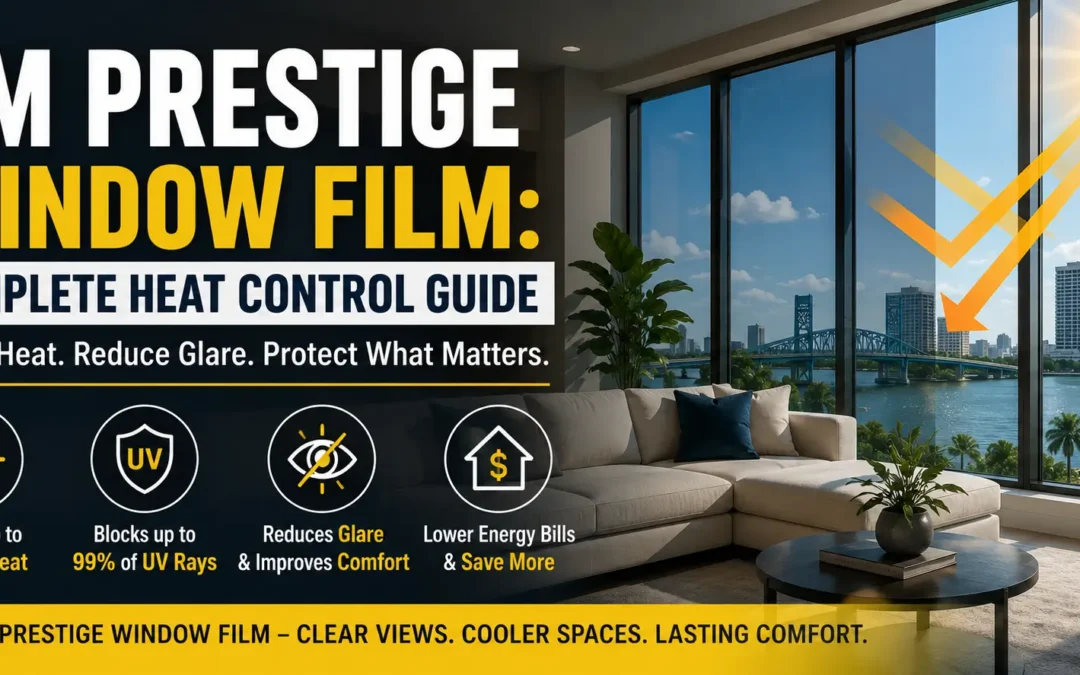
3M Prestige Window Film is a premium 3M solar window film solution designed to reduce heat, block up to 99% of harmful UV rays, and improve indoor comfort without replacing your existing windows. Unlike traditional dark tints, the 3M Prestige Series uses advanced multilayer optical technology to provide heat control while maintaining natural light and clear views.
In this guide, we explain how 3M Prestige Window Film works, compare 3M Prestige Film with standard window tint, and help Jacksonville homeowners choose the right film option for their home.
What Is 3M Prestige Window Film?
3M Prestige Window Film is a non-metalized, multilayer optical window film designed to reduce solar heat, glare, and UV exposure while maintaining a clear, natural appearance. Unlike traditional reflective window films that use metal layers, the 3M Prestige Series uses advanced optical technology to reject infrared heat without affecting cell signals, Wi-Fi, or the appearance of your windows.
The main advantage of 3M Prestige Film is its ability to improve comfort without making your glass look dark or reflective. It allows natural light to enter while helping reduce hot spots near windows, protect interior furnishings from UV damage, and create a more consistent indoor temperature.
How Much Heat Does 3M Prestige Window Film Block?
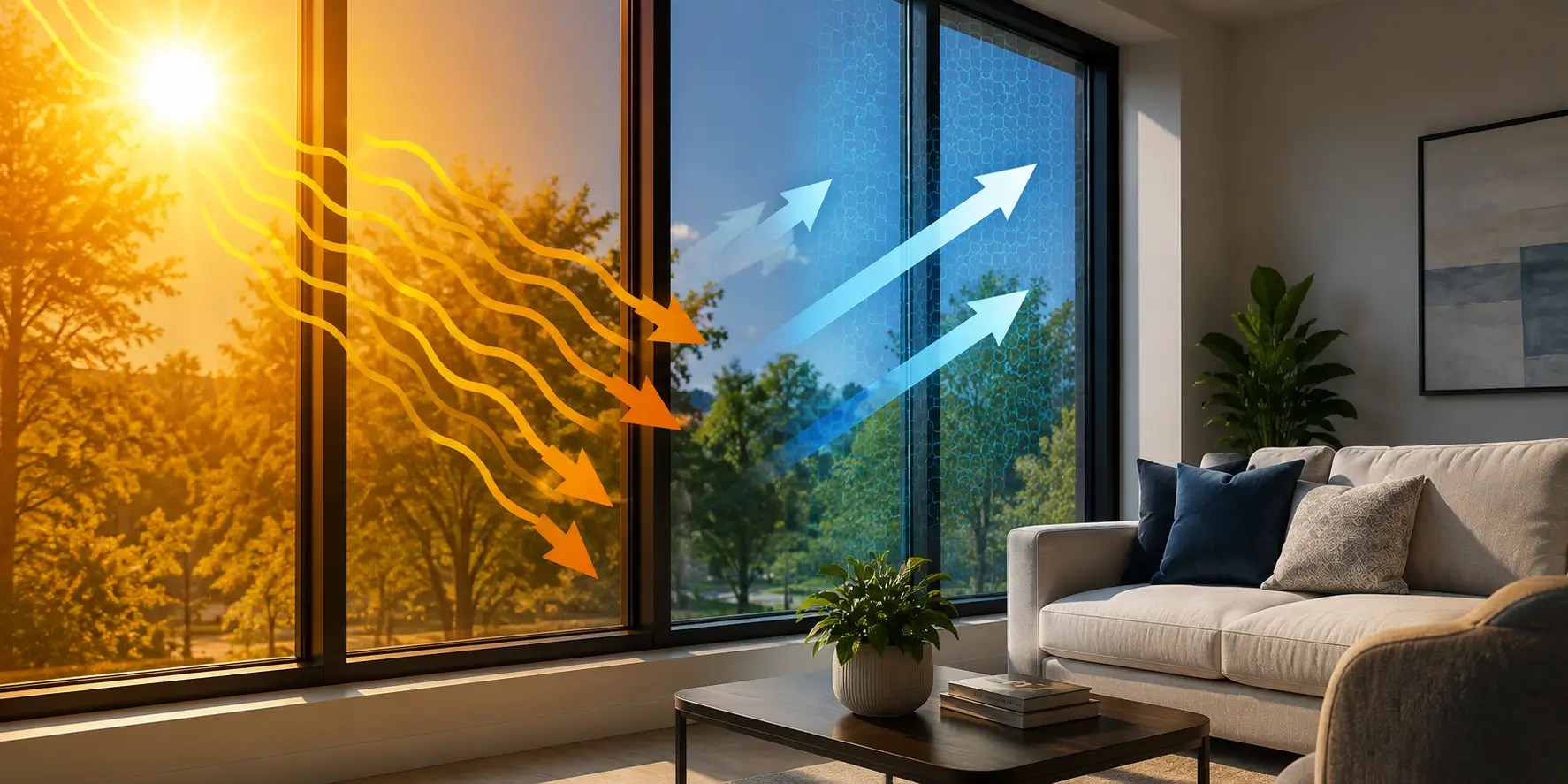
One of the biggest reasons homeowners consider 3M Prestige Window Film is its ability to reduce solar heat entering through glass. Certain films in the 3M Prestige Series can reject up to 97% of infrared heat, although performance varies depending on the specific film selected.
Infrared energy is a major contributor to the heat you feel near windows, especially in rooms with direct afternoon sunlight. By reducing infrared heat transmission, 3M Prestige Film helps improve comfort, reduce hot spots, and lower the cooling demand placed on your HVAC system.
In a Jacksonville home, this can make a noticeable difference in rooms with large west- or south-facing windows.
Benefits homeowners may notice include:
- Less heat buildup near sunny windows during peak summer hours.
- More consistent temperatures between sun-exposed rooms and interior spaces.
- Reduced glare on televisions, computer screens, and work areas.
- Less strain on air conditioning systems during hot weather.
Because heat rejection varies by film grade, homeowners should confirm the performance specifications of the exact 3M Prestige Series product being installed.
3M Solar Window Film vs Standard Window Tint: What Is the Difference?
Many homeowners use the terms “window tint” and “solar window film” interchangeably, but they serve different purposes. Traditional dyed window tint is mainly designed to darken glass, reduce glare, and provide some privacy. It absorbs sunlight but is not specifically engineered for maximum infrared heat rejection.
3M Solar Window Film, including the 3M Prestige Series, is designed to improve heat control, UV protection, and indoor comfort while maintaining a more natural appearance. Instead of relying on darker glass, Prestige uses multilayer optical technology to help reject infrared heat without creating a reflective look.
The key differences include:
| Feature | 3M Prestige Solar Window Film | Standard Dyed Window Tint |
|---|---|---|
| Heat Rejection | High infrared heat rejection | Limited heat reduction |
| UV Protection | Blocks up to 99% of UV rays | Varies by product |
| Appearance | Clearer, low-reflective appearance | Darker glass appearance |
| Signal Interference | No metal layers, no signal issues | Some films may interfere |
| Long-Term Performance | Designed for lasting performance | More likely to fade over time |
For homeowners looking for 3M home tinting specifically for heat reduction, energy efficiency, and comfort, choosing a performance-based solar film is more important than simply selecting the darkest tint.
Benefits of 3M Prestige Window Film for Homes
Reducing heat is one of the biggest advantages of 3M Prestige Window Film, but its benefits extend beyond temperature control. This advanced 3M solar window film solution helps improve comfort, protect interiors, and create a more enjoyable living environment.
Key benefits include:
UV protection:
3M Prestige Window Film blocks up to 99% of harmful UV rays, helping protect flooring, furniture, artwork, and window treatments from premature fading caused by sun exposure.
Glare reduction:
By reducing excessive sunlight, Prestige Film helps make rooms more comfortable for activities such as watching television, working on a computer, or relaxing near windows.
Improved energy efficiency:
By reducing solar heat gain through glass, window film can help decrease the cooling load on your HVAC system, especially during Jacksonville’s hot summer months.
More consistent indoor comfort:
Rooms with direct sunlight often experience higher temperatures than the rest of the home. 3M Prestige helps reduce these hot spots and create a more balanced indoor environment.
For Jacksonville homeowners, where intense sunlight, heat, and UV exposure are common throughout much of the year, these benefits can make a noticeable difference in daily comfort.
Which 3M Prestige Series Is Right for Your Home?
The right 3M Prestige Series film depends on your home’s window location, sunlight exposure, and how much natural light you want to maintain. Different Prestige options are designed with different visible light transmission (VLT) levels, allowing homeowners to balance heat rejection, glare control, and appearance.
3M Prestige 70 Window Film
3M Prestige 70 Window Film is designed for homeowners who want strong heat and UV protection while keeping a bright, natural appearance. Because it has a higher visible light transmission level, it allows more sunlight into the home without creating a noticeably tinted look.
It is often a good choice for:
- Living rooms with large windows
- Homes where maintaining natural light is important
- Homeowners who want heat control without a darker appearance
3M Prestige 50 and Prestige 40
Lower VLT options such as 3M Prestige 50 and 3M Prestige 40 provide additional shading and glare reduction compared with lighter films. They may be better suited for rooms with intense sunlight exposure where homeowners want stronger solar control.
Choosing the Right 3M Prestige Film
The best option depends on factors such as:
- Window direction (south- and west-facing glass typically receives more heat)
- Room usage
- Desired level of natural light
- Glare and comfort concerns
A professional evaluation can help determine which 3M Window Film Prestige option fits your home and goals.
Also read: Why Home Window Tinting Services Are Replacing Curtains in Modern Homes
Is 3M Prestige Window Film Worth the Investment?
For many homeowners, 3M Prestige Window Film can be a practical alternative to more expensive upgrades such as window replacement, solar screens, or additional insulation. The value comes from improving comfort, reducing solar heat gain, and protecting your interiors without changing the existing windows.
Key factors to consider include:
- Quick installation: Professional film installation is typically completed without major disruption or structural changes to your home.
- Cost-effective heat control: Compared with replacing windows, 3M home tinting with Prestige Film can provide a more affordable way to address heat and glare issues.
- Long-term performance: Properly installed 3M Prestige Film is designed for lasting performance and is backed by manufacturer warranties for eligible applications.
However, homes with newer high-performance Low-E double-pane windows may experience a smaller improvement because the existing glass already provides some solar heat control.
The right choice depends on your current windows, sun exposure, comfort concerns, and overall goals.
Is 3M Prestige Window Film as Strong as Laminated Glass?
Although 3M Prestige Window Film provides excellent heat control, UV protection, and glare reduction, it is not designed to replace laminated safety glass. These products serve different purposes and should not be considered equivalent.
Laminated glass is manufactured with a protective interlayer between glass panes, allowing the glass to remain bonded together when damaged. It is specifically designed for safety and impact-related applications.
3M Prestige Film, on the other hand, is a solar control window film designed to improve comfort by reducing infrared heat, blocking UV rays, and minimizing glare. It is not a security or safety film.
For homeowners concerned about impact protection, storm preparation, or glass safety, it is important to choose a product designed specifically for that purpose rather than a heat-control film.
When Is the Best Time to Install 3M Prestige Window Film in Jacksonville?
Because Jacksonville experiences high heat, strong sunlight, and year-round UV exposure, 3M Prestige Window Film can provide benefits throughout the year. However, the best installation time depends on your comfort goals and scheduling needs.
- Late spring through summer (May–September): This is when homeowners typically notice the biggest improvement because solar heat and glare are at their highest. It is also a popular time for window film installation, so scheduling ahead is recommended.
- Fall and winter: Cooler weather can make installation more convenient, and having the film installed before the next summer season allows homeowners to prepare for peak heat.
- Before hurricane season: Some homeowners use this time to evaluate their windows and consider additional protection solutions before storm season begins.
Professional installers consider factors such as glass temperature, weather conditions, and adhesive curing requirements to ensure proper installation.
Ready to Make Your Jacksonville Home More Comfortable?
If you are considering 3M Prestige Window Film for your home, All Spec Sun Control is here to help. As an authorized 3M dealer serving Jacksonville and Northeast Florida since 1980, we provide expert recommendations, professional installation, and a lifetime warranty for lasting peace of mind.
Contact us today for a free, no-obligation estimate and find the right 3M Prestige Series for your home.
FAQs
How long does 3M Prestige Window Film last?
When professionally installed, 3M Prestige Window Film is designed to provide long-lasting performance and is backed by a manufacturer’s limited lifetime warranty for many residential applications. Its lifespan depends on factors such as sun exposure, glass type, and proper installation, but it is built to perform for many years without peeling, bubbling, or discoloring.
Will 3M Prestige Window Film make my house too dark?
No. One of the biggest advantages of the 3M Prestige Series is that it rejects heat while allowing plenty of natural light to enter your home. Options like 3M Prestige 70 Window Film are popular because they reduce heat and glare without creating a noticeably dark or reflective appearance.
Can 3M Prestige Window Film be installed on any type of glass?
3M Prestige Window Film is compatible with most residential single-pane and double-pane windows. However, certain specialty or older glass types may require a specific film to ensure optimal performance. A professional consultation is the best way to determine compatibility.
Does 3M Prestige Window Film interfere with Wi-Fi or cell signals?
No. Unlike traditional metalized window films, 3M Prestige Window Film uses non-metalized, multi-layer optical technology. This means it helps reduce heat and glare without interfering with Wi-Fi, GPS, mobile phone reception, or other wireless signals.
Is 3M Prestige Window Film worth the investment?
For many homeowners, yes. 3M Prestige Window Film helps reduce solar heat, blocks up to 99% of harmful UV rays, minimizes glare, and protects furniture, flooring, and décor from fading. It also offers a more affordable alternative to replacing windows while improving year-round indoor comfort.
What is the difference between 3M Prestige 70 Window Film and other Prestige Series options?
3M Prestige 70 Window Film allows the highest level of natural light while still delivering excellent heat rejection. Lower visible light transmission (VLT) options, such as Prestige 50 and Prestige 40, provide additional glare reduction and shading. The best choice depends on your home’s window orientation, comfort goals, and preferred appearance.
Does 3M Prestige Window Film help lower energy costs?
Yes. By reducing the amount of solar heat entering through your windows, 3M Prestige Window Film can reduce the workload on your air conditioning system. While savings vary depending on your home’s design and window exposure, many homeowners notice improved comfort and reduced cooling demands during Jacksonville’s hot summers.
Why is 3M Prestige Window Film a good choice for Jacksonville homes?
Jacksonville homes experience intense sunlight, high temperatures, and strong UV exposure for much of the year. 3M Prestige Window Film is designed to reduce heat, minimize glare, and block up to 99% of harmful UV rays, helping create a more comfortable living environment while protecting your home’s interior from sun damage.