
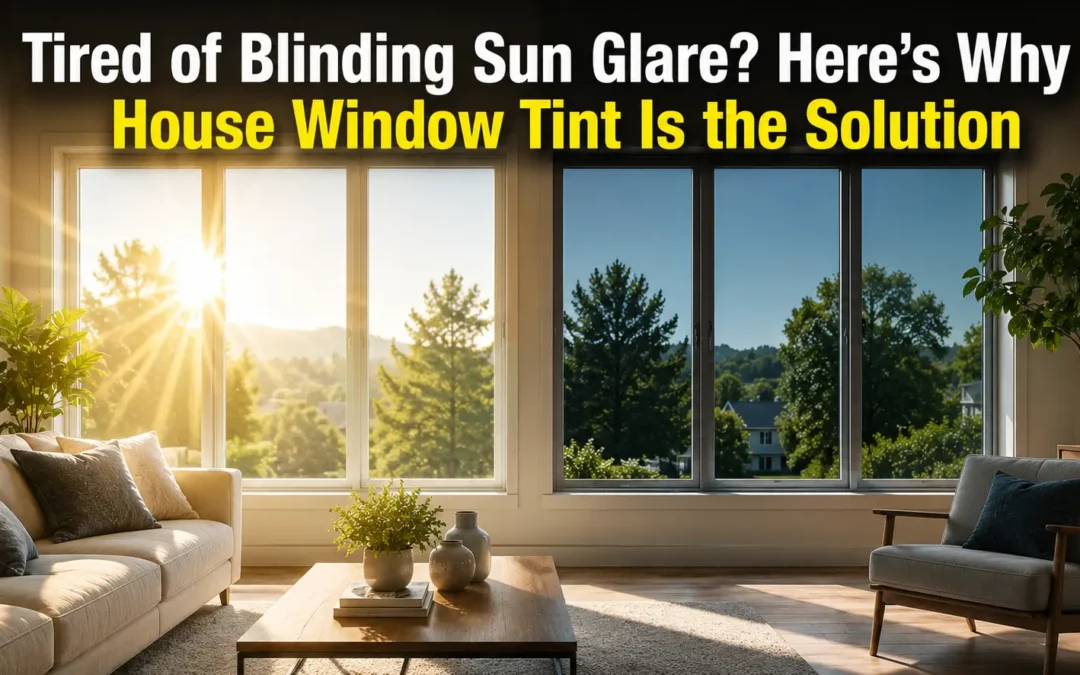
Bright sunlight can make a home feel warm and inviting, but too much of it often turns into a daily discomfort. Rooms become too bright to sit in, screens get difficult to view, and certain areas of the house feel almost unusable during peak daytime hours. Over time, this constant glare can affect comfort, productivity, and even the overall enjoyment of your living space. This is where House Window Tint becomes an effective solution for improving indoor comfort and controlling excessive sunlight.
This is where house window tint becomes a practical and long-lasting solution. It is designed to control excessive sunlight while still allowing natural light to enter your home in a balanced way.
What Is Glare and Why Is It a Problem?
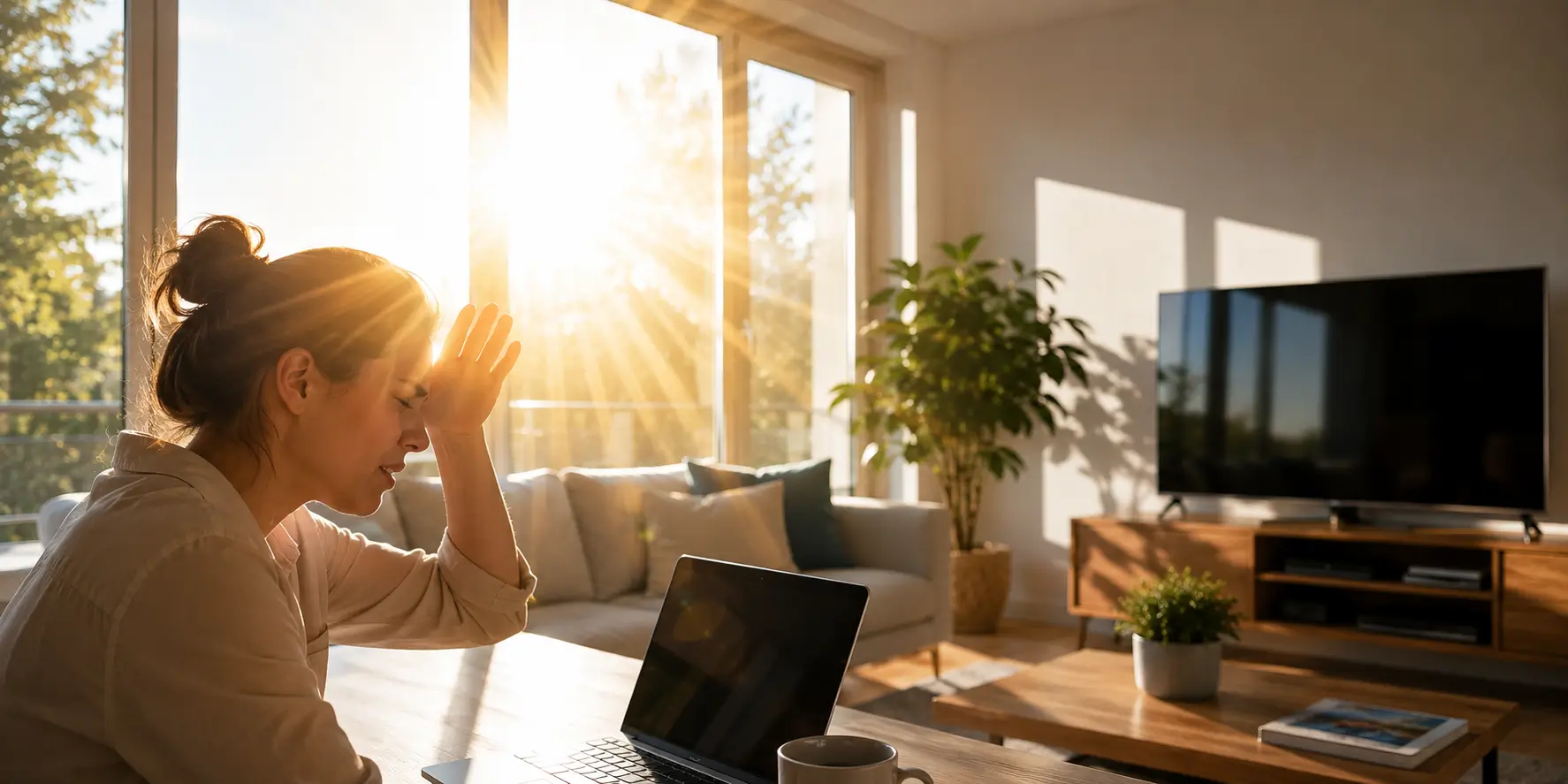
Glare happens when excessive brightness from sunlight enters through windows and creates visual discomfort. It is more than just an inconvenience, it directly affects how you use your space.
Common issues caused by glare include:
- Difficulty watching TV or using digital screens
- Eye strain during reading or working
- Uneven lighting inside rooms
- Reduced comfort in sun-facing areas
Homes with large windows or minimal shading often experience stronger glare, especially during morning or late afternoon hours. In the long run, this can make certain rooms less functional and less enjoyable.
What Is House Window Tint?
House window tint is a thin, transparent or semi-transparent film applied directly to glass surfaces. Home window tinting services can control sunlight, reduce heat, and improve indoor comfort without blocking natural daylight completely.
Modern window tint films are engineered to:
- Reduce harsh brightness
- Block harmful UV rays
- Improve temperature balance indoors
- Enhance privacy depending on film type
It is a simple upgrade that can significantly improve the way your home feels throughout the day.
How House Window Tint Solves the Glare Problem
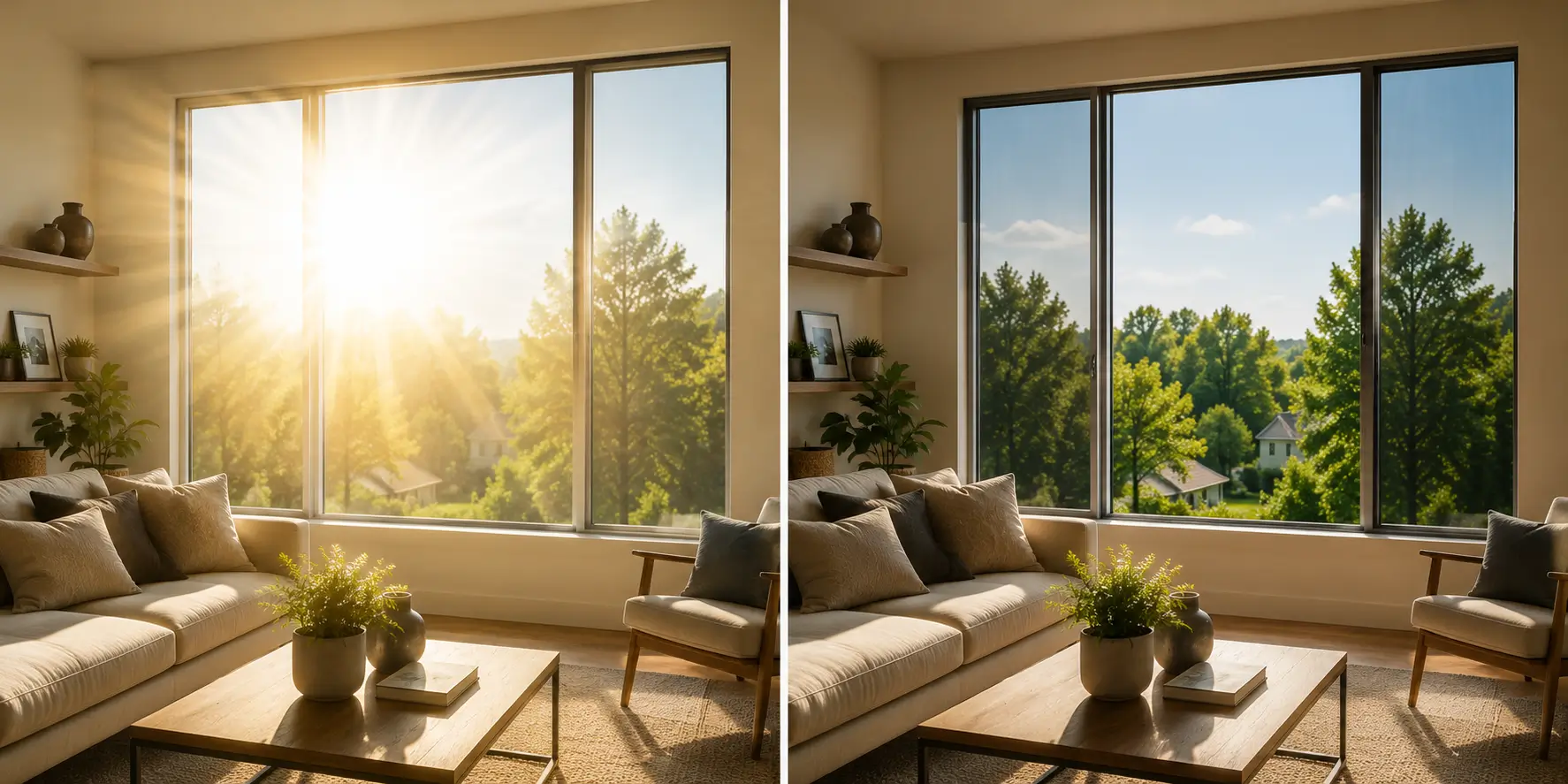
Decorative window tint works by filtering incoming sunlight before it enters your living space. Instead of harsh rays hitting directly into your rooms, the light is softened and evenly distributed.
This results in:
- Reduced brightness on screens and reflective surfaces
- More comfortable natural lighting throughout the day
- Less need to adjust blinds or curtains constantly
- A calmer and more visually balanced indoor environment
By controlling the intensity of sunlight, window tint helps you enjoy daylight without discomfort.
Benefits of House Window Tint Beyond Glare Reduction
1. Temperature Control
House window tint reduces heat buildup by limiting solar energy entering through glass. This helps keep indoor spaces cooler, especially during hot summer months. As a result, rooms feel more comfortable without overusing air conditioning.
2. UV Protection
Ultraviolet rays from the sun can slowly damage furniture, flooring, curtains, and décor. Window tint blocks a significant portion of these rays, helping preserve the color and quality of interior items. It also adds a layer of protection for skin exposure near windows.
3. Energy Efficiency
When less heat enters your home, your cooling systems do not need to work as hard. This leads to improved energy efficiency and can help reduce monthly electricity bills over time. Residential window tinting is a small change that delivers long-term savings.
4. Privacy Enhancement
Certain types of window tint improve daytime privacy by limiting visibility from outside. This allows you to enjoy natural light without feeling exposed, especially in street-facing rooms or ground-level spaces.
5. Interior Protection and Longer-Lasting Decor
Beyond improving indoor comfort, window tint also helps protect your interiors from long-term sun damage while improving overall energy efficiency. Continuous exposure to sunlight can cause furniture, flooring, curtains, and artwork to fade over time. With Energy Saving Window Film, you can reduce heat and UV exposure, helping your home stay more comfortable while preserving the quality and appearance of your interiors for years.
Different Types of House Window Tint
| Type of Window Tint | Purpose | Key Benefits | Best Used For |
|---|---|---|---|
| Solar Control Film | Heat and glare reduction | Reduces heat, improves comfort, lowers energy use | Living rooms, sun-facing windows |
| UV Protection Film | Blocks harmful rays | Protects furniture and skin from UV damage | Bedrooms, living areas |
| Privacy Window Film | Limits outside visibility | Enhances daytime privacy without curtains | Street-facing rooms, bathrooms |
| Decorative Film | Adds visual style | Improves aesthetics with patterns or frosting | Glass doors, interior partitions |
| Security Film | Strengthens glass | Helps hold glass together during impact | Ground floor windows, safety-focused areas |
Each type serves a different purpose, and many homeowners choose a combination based on room needs.
The Importance of Professional Window Tint Installation
While energy saving window film may look simple, proper installation plays a major role in its performance and durability. Professional installers ensure the film is applied evenly, without bubbles or misalignment.
Expert installation helps:
- Achieve a smooth and clean finish
- Improve film durability and lifespan
- Prevent peeling or early damage
- Maximize glare and heat reduction performance
- Ensure precise fitting for different window sizes and shapes
A well-installed tint not only performs better but also maintains a polished appearance for years.
Final Verdict
House window tint is a practical and effective solution for managing sun glare and improving everyday comfort. It allows you to enjoy natural light without dealing with excessive brightness, heat buildup, or UV exposure.
Beyond glare reduction, it supports energy savings, protects interiors, and enhances privacy, all in one simple upgrade. For homeowners looking to create a more comfortable and efficient living space, UV window film tint is a long-term investment worth considering.
FAQs
1. Does house window tint make rooms too dark?
No, modern films are designed to reduce glare and heat while still allowing natural light to enter.
2. How long does window tint last?
High-quality films, when professionally installed, can last many years without losing performance.
3. Can office window tinting be removed later?
Yes, it can be safely removed or replaced if needed without damaging the glass.
4. Is window tint only useful in summer?
No, it works year-round by controlling glare, UV exposure, and overall indoor comfort.